
2025

2025

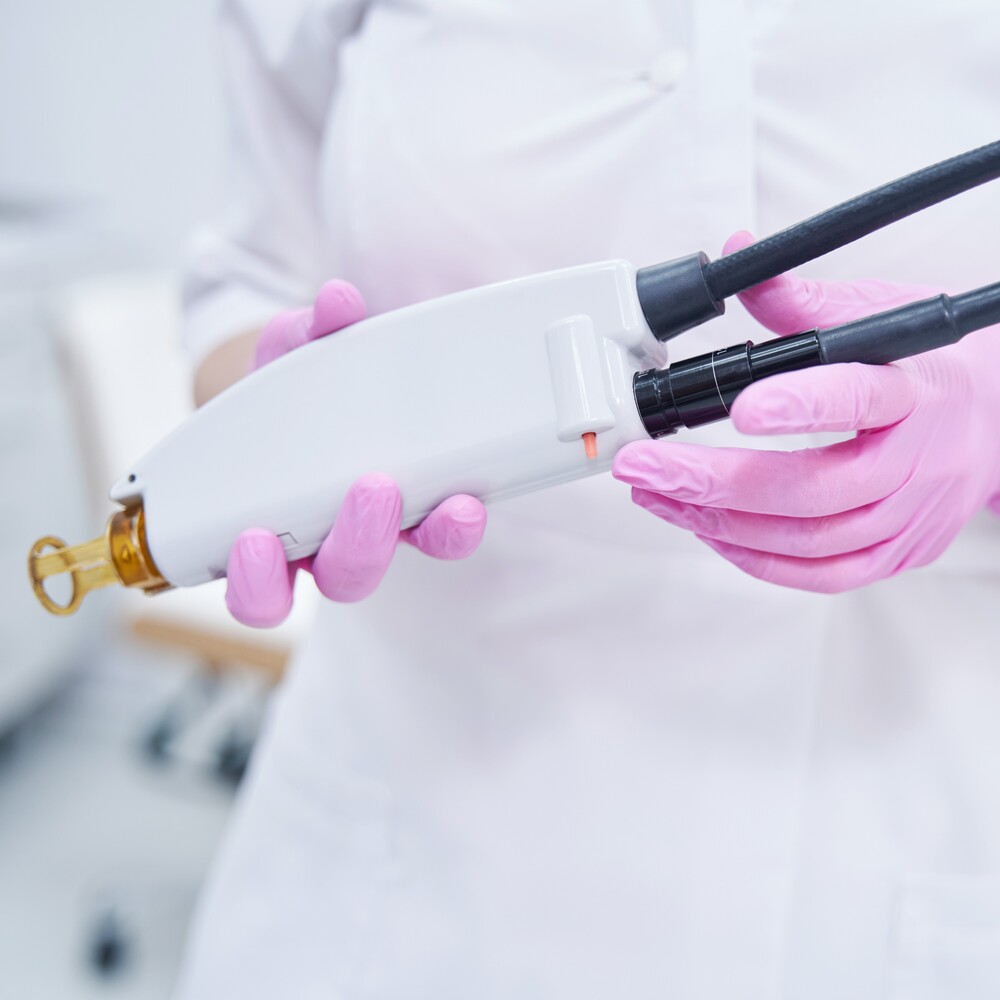
Close up of woman cosmetologist in sterile gloves holding laser hair removal machine. laser hair removal

Tired of Shaving? Discover the Freedom of Laser Hair Removal

Are you truly tired of the endless cycle of shaving, painful waxing appointments, or irritating ingrown hairs? Most people dread the constant maintenance required to keep their skin smooth, and in fact, it can feel like a complete waste of your valuable time. Imagine a life where you wake up with permanently silk-smooth skin, ready for any day without a second thought! This dream is absolutely achievable with modern laser hair removal. We understand you want a safe, long-term solution that finally delivers the results you have always wanted. Why Permanent Laser Hair Removal is the Smart Choice Many people believe that daily shaving is simply the norm, but there is a far better alternative available at our premier clinic. Therefore, we want to clearly outline why ditching traditional methods for professional laser hair removal is the intelligent decision for lasting smoothness. Furthermore, unlike temporary solutions, this sophisticated procedure targets the hair follicle directly, which significantly impedes future hair growth over a series of treatments. Consequently, you will experience dramatically reduced hair, less irritation, and enjoy the impressive convenience of being permanently ready. Achieve the Silky-Smooth Skin You Desire Think about the confidence you will gain when you never have to worry about stubble again, which is a feeling that our past clients consistently describe as transformative. Our clinic specializes in the latest, medical-grade laser hair removal technology, which guarantees a gentle experience while still ensuring maximum efficacy for all skin types. Our certified specialists customize every treatment plan specifically to your unique needs, thereby ensuring optimal results and the highest standard of care throughout your journey toward becoming hair-free. For this reason, clients continually trust us to provide the best and most effective permanent hair removal service in the area. This superior level of care makes our laser hair removal treatment a worthwhile investment in yourself. Ready to Experience True Freedom? The first step toward securing your smooth, hassle-free skin is incredibly simple. Schedule your laser hair removal consultation with one of our experienced experts today. During your consultation, you will be able to ask any questions you have, assess your suitability for the procedure, and receive a personalized treatment quote tailored just for you. Click here or call us now to finally begin your journey to a lifetime of beautiful, worry-free skin!

Tired of Shaving? Discover the Freedom of Laser Hair Removal Read More »

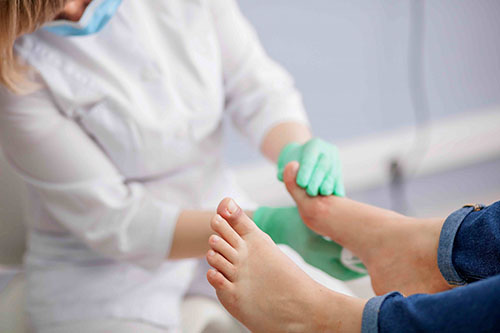
HSMC-Foot-Care-Podiatry, podiatrist, foot care

When Should You Visit a Podiatry Clinic?

Dr. Zena AbuElkhair Understanding the Right Time to Seek Expert Foot & Ankle Care Our feet carry us through life — supporting our weight, keeping us active, and helping us perform daily tasks. Yet, foot and ankle problems are often ignored until the pain becomes unbearable. A podiatry clinic specializes in diagnosing, treating, and preventing conditions that affect the feet, ankles, and lower limbs. Knowing when to see a podiatrist can protect you from long-term problems and improve your mobility, comfort, and overall health. Below are the most important signs that indicate it’s time to visit a podiatry clinic: 1. Persistent Foot or Heel Pain If foot or heel pain lasts more than a week, especially after rest, it could be due to: Pain is NOT normal — it’s a signal that something is wrong. Early treatment prevents worsening. 2. Difficulty Walking or Standing If you feel: a podiatrist can evaluate your gait and biomechanics. Custom insoles (orthotics) or medical footwear may be needed to restore balance and comfort. 3. Ingrown Toenails A painful or infected toenail should never be ignored. Visit a podiatry clinic if you notice: Podiatrists can safely remove the ingrown portion and prevent it from returning 4. Diabetic Foot Problems People with diabetes are at higher risk of foot wounds and infections due to poor circulation and nerve damage. Visit a podiatry clinic immediately if you have: Regular diabetic foot check-ups can prevent complications and amputations. 5. Sports or Exercise Injuries Running, gym workouts, and sports activities can cause: A podiatrist can help with rehabilitation, injury prevention techniques, and shockwave or laser therapy if needed. 6. Warts, Corns, or Calluses If you notice thickened skin, painful corns, or stubborn verrucas and warts, a podiatrist has advanced tools to treat them safely — especially when over-the-counter solutions fail. 7. Nail or Skin Infections Conditions like: Should be evaluated early to avoid the infection spreading. 8. Foot Deformities Conditions such as: …may require professional assessment and treatment plans that include orthotics, footwear modifications, or therapy. 9. Numbness, Burning, or Tingling These symptoms often indicate nerve problems or circulation issues. Early diagnosis is crucial to prevent long-term damage. 10. You Want Custom Insoles or Medical Shoes If you experience discomfort from regular footwear, a podiatrist can assess your needs and design custom orthotics to improve walking, reduce pain, and correct posture. Final Word: Don’t Wait for the Pain to Get Worse A podiatry clinic is not only for treating foot problems — it also helps prevent long-term complications, especially for people with diabetes, athletes, and individuals with recurring foot pain. If you’re experiencing any of the above symptoms, it’s time to visit a podiatrist and get a personalized treatment plan based on your condition.

When Should You Visit a Podiatry Clinic? Read More »

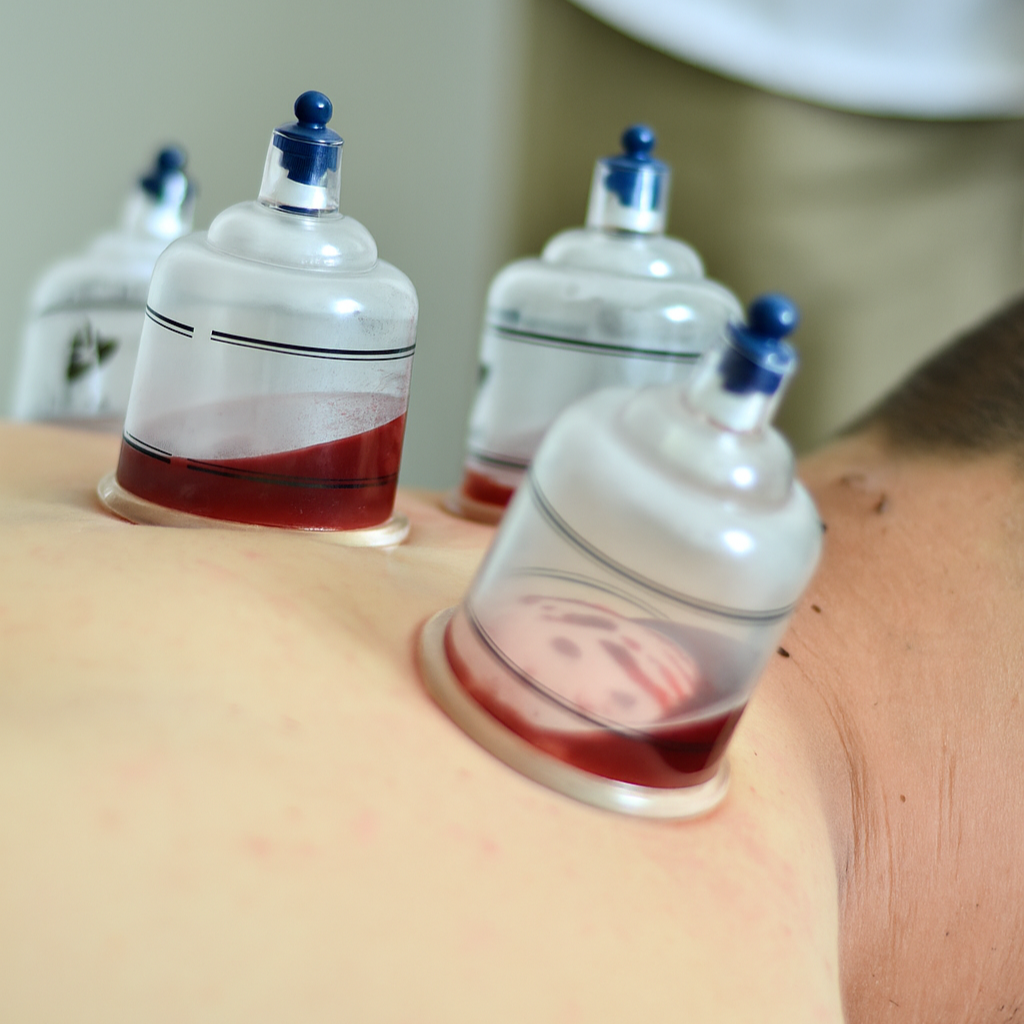
Hijama. A closeup of a young man prepared for the hijama treatment

Why Hijama is Good for Health?

Are you constantly battling chronic pain, migraines, or persistent fatigue without finding a lasting solution? We often rely on quick-fix modern medicine, but perhaps the answer lies in an ancient, natural therapy proven effective for centuries. Consider Hijama, or wet cupping, a remarkable traditional practice that has transcended time and cultures, particularly prominent in Islamic, Chinese, and Egyptian traditional medicine. This non-invasive method involves gently placing cups on the skin to create suction, followed by small, superficial incisions to draw out minor amounts of stagnant blood and toxins. Consequently, countless individuals are now turning to this holistic approach to invigorate their bodies and restore natural balance. Furthermore, its increasing acceptance highlights a global shift toward effective, root-cause wellness solutions. The Real Reason Why Hijama is Good for Health Many people ask, “What exactly makes Hijama so powerful?” The science suggests that by stimulating localized blood flow, the treatment facilitates the body’s natural processes of healing and detoxification. For instance, reports indicate positive results in managing conditions ranging from arthritic pain and stiff muscles to headaches and circulatory issues. Moreover, practitioners theorize that removing old, localized blood reduces systemic inflammation, which is the underlying cause of many chronic ailments. This profound action revitalizes the body’s energy pathways and gives a feeling of deep, foundational wellness. Therefore, this targeted purification method can offer relief and improve quality of life more sustainably than many conventional treatments. Unlock Your Best Self: Experience the Hijama Difference Imagine a life with less stress, greater mobility, and enhanced mental clarity. Individuals frequently report an almost immediate feeling of lightness and relaxation after a Hijama session, often noting a significant improvement in sleep patterns. Therefore, making this powerful, age-old practice a regular part of your wellness journey is a proactive step toward maintaining your body’s optimal function, not merely treating the symptoms of illness. To summarize, the holistic, detoxifying benefits of Hijama can align your physical body and mental state for renewed vitality. Ready to Align with Sunnah? Book Your Professional Hijama Take control of your health and experience the transformative benefits of this traditional therapy. HSMC proudly offers comprehensive Hijama services, meticulously scheduled to coincide with the highly recommended Hijama Sunnah days for maximum benefit and spiritual reward. Our treatments are performed by professional, certified doctors in a sterile, modern environment, ensuring safety and expertise. Book your consultation with HSMC today and start your journey to better health now!

Why Hijama is Good for Health? Read More »

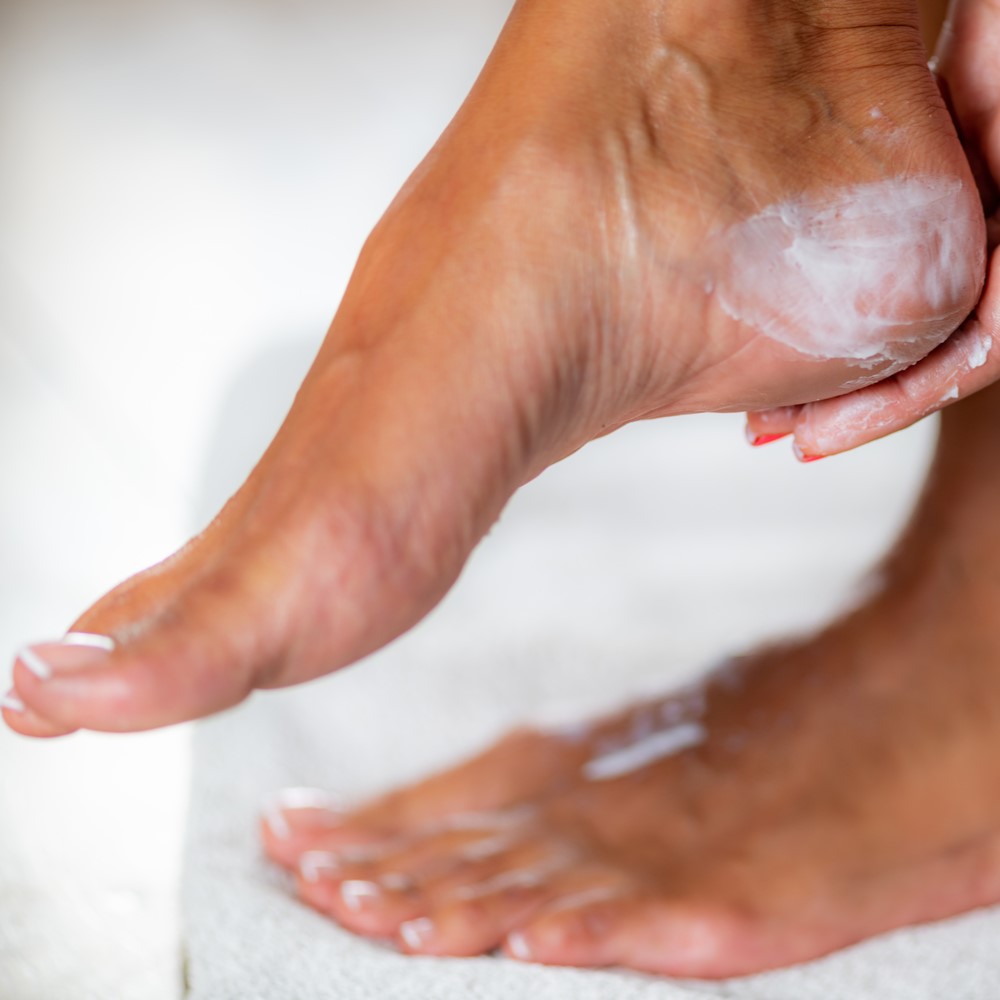
With a little care and these tips, you can say goodbye to cracked heels and dry feet and strut into the winter months with smooth feet.

Conquering Cracked Heels and Dry Feet

As the days grow shorter and temperatures dip, our attention naturally turns inwards. Cozy sweaters, and steaming mugs become the norm. But while we bundle up to combat the chill, one often-neglected area remains exposed: our feet. This can lead to a common winter woe – cracked heels and dry feet. Sure, they might be tucked away in boots most of the time, but ignoring these hardworking appendages can lead to discomfort, pain, and even potential infection. That’s why this blog post will be your battle cry against cracked heels and dry feet. Why the Cracked Heels? Several factors contribute to dry, cracked heels in winter. The colder air holds less moisture, zapping precious hydration from your skin. Frequent hot showers and baths further strip away natural oils, leaving your feet feeling like sandpaper. And let’s not forget about those snug boots and slippers – while cozy, they can trap sweat and create a breeding ground for fungus, exacerbating dryness and irritation. Your Home Spa Awaits The good news is that tackling cracked heels and dry feet doesn’t require expensive salon treatments. You can pamper your precious peonies right at home with these simple steps: Prevention is Key: While pampering is essential, preventing dryness in the first place is even better. Here are some proactive tips: When to Seek Help: While most cases of cracked heels and dry feet respond well to home care, some situations require professional attention. If you experience deep cracks, bleeding, severe pain, or signs of infection (redness, swelling, pus), consult a doctor or podiatrist for proper diagnosis and treatment. Remember, your feet deserve some love too! Show them the appreciation they deserve and keep those happy toes tapping all season long.

Conquering Cracked Heels and Dry Feet Read More »

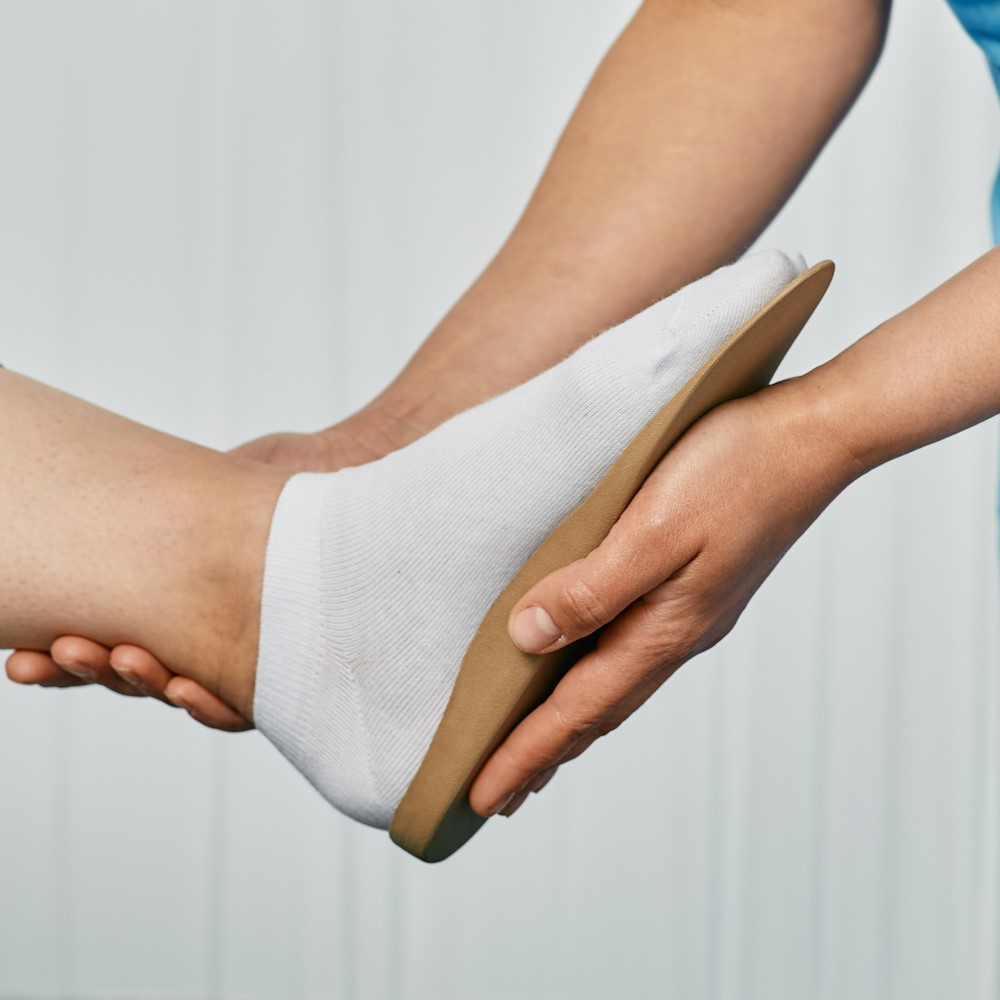
Orthopedic insoles. Orthopedist fitting individual orthopedic insole for patient foot. how do orthotics work

How Do Orthotics Work? Unlock the Secret to Pain-Free Living

Are you tired of chronic foot, ankle, knee, or back pain holding you back from the activities you love? Many people suffer from these issues without realizing the root cause might be right under their feet. The good news is, there’s a powerful and often life-changing solution available: custom orthotics. So, you might be asking yourself, “how do orthotics work?” The Power of Custom Orthotics Custom orthotics are not just fancy shoe inserts; they are medically prescribed devices designed to correct biomechanical imbalances in your feet. When your feet are improperly aligned, it can create a chain reaction of stress and strain throughout your entire musculoskeletal system. Custom orthotics work by providing precise support and cushioning where your feet need it most, promoting better posture and overall comfort. The Science Behind How Orthotics Work Understanding how orthotics work starts with their function of realigning the foot and ankle. They help distribute pressure more evenly, improving your posture and gait. This process targets the root cause of many common foot issues, including plantar fasciitis and knee pain. The personalized nature of orthotics ensures that they fit your unique foot structure, providing the necessary correction to relieve pain and discomfort. With orthotics, you are not just treating the symptoms; you are addressing the source of the pain. A Life Without Foot Pain Imagine waking up without that persistent ache in your heel or being able to go for a long walk without your knees protesting. The support provided by these custom devices can significantly reduce pain, improve your balance, and even prevent future injuries. Discover the difference for yourself as you experience relief and comfort after using orthotics. The Benefits of Knowing How Orthotics Work for You Understanding how orthotics work is the first step toward a more active and pain-free life. By correcting your foot alignment, orthotics can alleviate stress on other joints and muscles. This leads to improved overall body mechanics, better comfort, and greater mobility. The domino effect of these benefits will allow you to enjoy an active lifestyle without constant discomfort or pain. Take the First Step Towards Pain Relief Don’t let foot pain control your life any longer. Schedule an appointment with a podiatrist or a healthcare professional who specializes in orthotics to see if they are the right solution for you. They can conduct a thorough evaluation and help determine the best approach for your unique needs. By taking this proactive step, you’re investing in your long-term health and well-being. Discover for yourself how orthotics work and start living a more comfortable, active life today.

How Do Orthotics Work? Unlock the Secret to Pain-Free Living Read More »

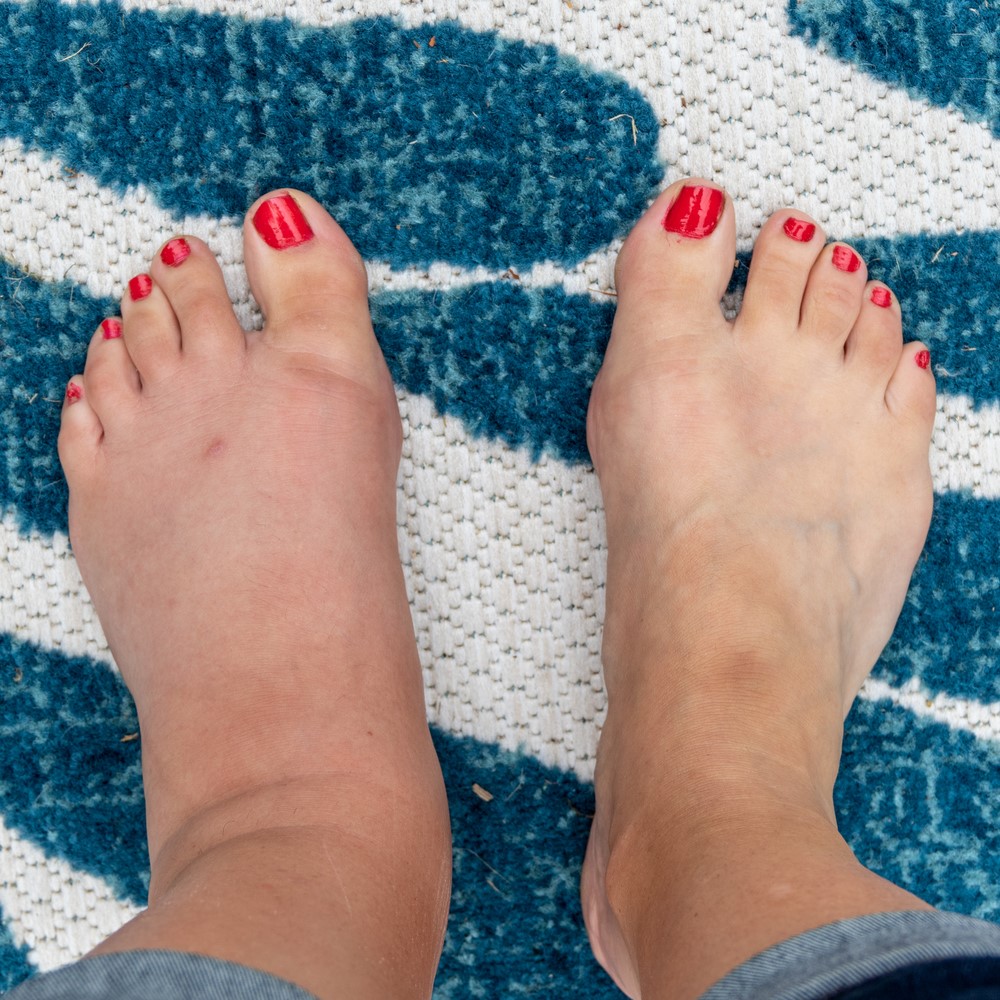
A closeup shot of feet with a pedicure with one foot swollen from a wasp bite. Swollen feet after flying

Say Goodbye to Swollen Feet After Flying: Expert Tips for Comfortable Travel

Have you ever experienced the discomfort of swollen feet after flying? It’s a common issue many travelers face, leaving their ankles and feet feeling tight and puffy after a long journey in the air. This can certainly put a damper on your arrival, whether you’re starting an exciting vacation or heading back home. Understanding the reasons behind this swelling is key to finding effective ways to prevent and manage it. Why Do Your Feet Swell After Flying? Several factors contribute to swollen feet after flying. The reduced air pressure within the airplane cabin can impact your blood circulation. Additionally, prolonged periods of sitting with limited movement allow gravity to pull fluids into your lower limbs. Dehydration, often worsened by the dry cabin air and insufficient fluid intake during flights, also plays a significant role in fluid retention. Simple Steps to Prevent Swollen Feet During Air Travel Fortunately, there are proactive measures you can take to minimize and even prevent this bothersome condition, ensuring a more comfortable travel experience from takeoff to landing. Imagine stepping off the plane with your feet feeling light and refreshed, ready to explore your destination or comfortably settle back home. Achieving this is easier than you might think! Simple yet effective strategies can make a significant difference in preventing swollen feet after flying. Consider wearing compression socks, which gently support your veins and improve circulation. Moreover, make a conscious effort to stay hydrated by drinking plenty of water before, during, and after your flight. Additionally, try to incorporate gentle ankle and foot exercises while seated, such as rotating your ankles and flexing your toes. When possible, stand up and walk around the cabin for a few minutes every hour to encourage blood flow. Implementing these habits can drastically reduce the occurrence of swollen feet after flying, allowing you to travel with greater ease and comfort. Take Action for Comfortable Flights Don’t let swollen feet after flying ruin your next trip. By incorporating the simple tips mentioned above, you can significantly minimize discomfort and arrive at your destination feeling more energized. Remember to wear compression socks, stay well-hydrated, perform in-seat exercises, and move around the cabin whenever feasible. Take control of your travel comfort and say goodbye to that unpleasant post-flight puffiness! Consult our doctor if you experience persistent or severe swelling, as it could indicate an underlying medical condition.

Say Goodbye to Swollen Feet After Flying: Expert Tips for Comfortable Travel Read More »

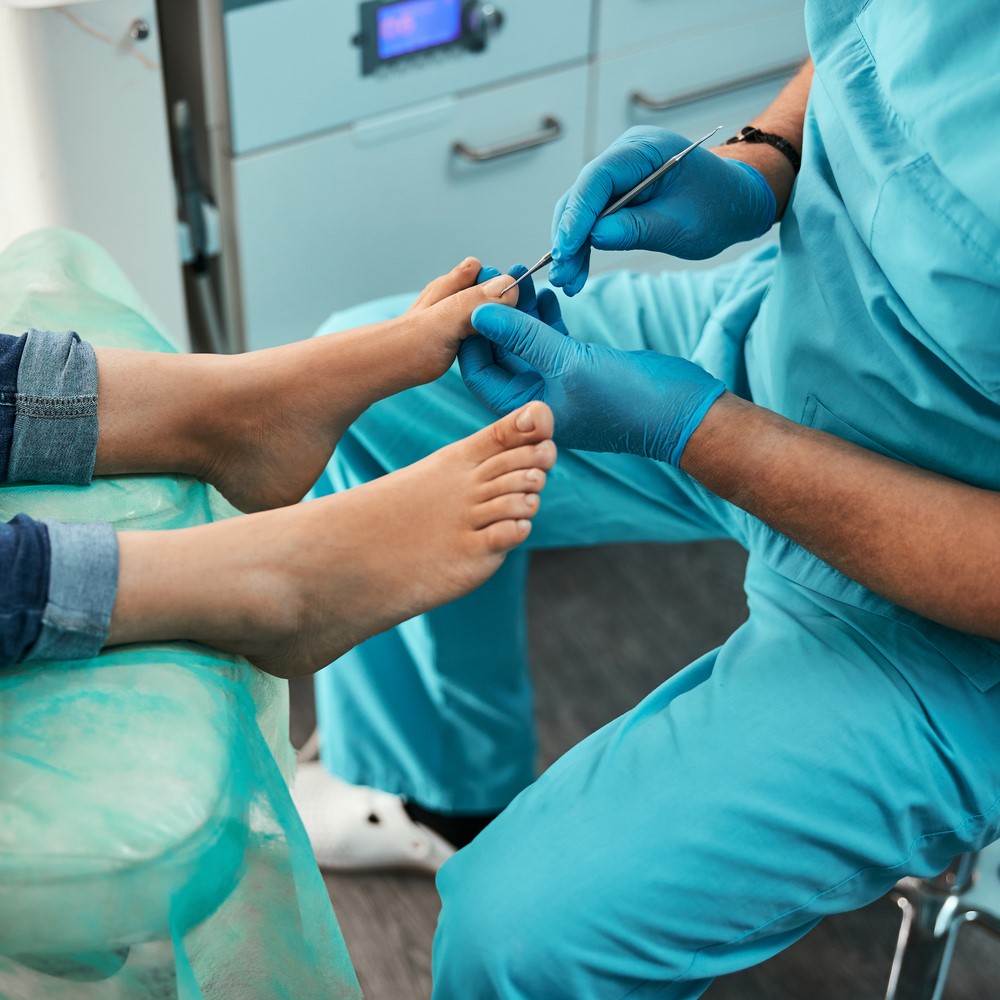
podiatry what do they treat. Cropped head portrait of unrecognized doctor taking care of feet while patient sitting on the medical chair in medical center

Podiatry: What Do They Treat? A Guide from HSMC Abu Dhabi

If you’ve ever winced when taking a step, noticed swelling in your ankles, or simply felt like something wasn’t quite right with your feet, you’re not alone. Most people don’t think much about their feet—until something goes wrong. At that point, the question naturally arises: “Podiatry—what do they treat?” The answer might surprise you. What Exactly Does a Podiatrist Do? At HSMC in Abu Dhabi, our podiatrists focus exclusively on the health of your feet, ankles, and lower legs. This specialized field of medicine covers far more than just treating toenails or recommending insoles. It’s about restoring mobility, preventing complications, and helping people walk comfortably again; especially when dealing with issues that affect daily life or long-term health. Whether you’re managing a chronic condition like diabetes or arthritis, or you’re an athlete recovering from a sports injury, podiatrists are trained to diagnose and treat a wide variety of problems. Their expertise spans everything from minor skin irritations to complex foot deformities. So, Podiatry—What Do They Treat? Here’s a closer look at the many conditions our podiatrists at HSMC manage: Everyday Concerns Chronic Conditions The scope of podiatric care is broader than many realize. So, when asking “podiatry what do they treat,” think beyond just the feet—it’s about total lower-limb health. When Should You See a Podiatrist? You don’t have to be in severe pain to seek help. A good rule of thumb? If something feels off; persistent pain, unusual numbness, swelling that won’t go away; it’s time to make an appointment. Also, look out for: Even subtle changes can be early signs of something that’s best addressed sooner than later. Why Choose HSMC Abu Dhabi? At HSMC, our team brings personalized care, advanced diagnostics, and genuine compassion to every appointment. We treat more than just symptoms; we look at the full picture of your health and how your feet connect to your lifestyle. So, the next time someone asks you, “podiatry: what do they treat?”, you’ll know the answer: just about everything that keeps you on your feet. Take That First Step Today Your feet support your entire body; don’t let pain hold you back. If you’ve been ignoring a nagging ache or recurring issue, now’s the time to act. Book a consultation at HSMC Abu Dhabi and discover how expert podiatric care can get you moving comfortably again.

Podiatry: What Do They Treat? A Guide from HSMC Abu Dhabi Read More »

Shot of a young businesswoman drinking a glass of water at work. Hydration for dental health

Unlock a Healthier Smile: The Power of Hydration for Dental Health

Do you ever think about how your daily water intake affects your pearly whites? Many people focus on brushing and flossing, which are certainly vital, but the simple act of staying hydrated plays an incredibly significant role in maintaining optimal oral well-being. Indeed, hydration for dental health is a cornerstone of a truly healthy mouth. Understanding this connection is the first step towards a stronger, brighter smile. The Role of Saliva: Nature’s Oral Defender Your mouth is a complex ecosystem, and saliva is its natural defense mechanism. When you’re adequately hydrated, your body produces ample saliva, which acts as a powerful natural cleanser. Achieve a Radiant Smile Through Optimal Hydration Imagine a smile that feels consistently fresh and healthy, less prone to cavities, and supported by robust gums. This desirable outcome is achievable when you prioritize consistent hydration for dental health. By choosing water over sugary or acidic beverages, you actively reduce the fuel for harmful oral bacteria and protect your enamel from erosion. Dentists consistently recommend drinking plenty of water throughout the day, recognizing its powerful preventative benefits. It is a simple, yet profoundly effective, habit to integrate into your daily routine. Your Action Plan for Better Dental Health Through Hydration So, how much water should you be drinking for optimal hydration for dental health? Aim for at least eight 8-ounce glasses daily, or approximately 2 liters. Carry a reusable water bottle to remind yourself to sip regularly, particularly after meals to rinse away food debris. Make water your primary beverage choice, especially in a warm climate like Abu Dhabi. For personalized advice on improving your oral health through proper hydration, schedule a consultation with our experienced dental team today. Take this easy yet powerful step towards a lifetime of healthier teeth and gums!

Unlock a Healthier Smile: The Power of Hydration for Dental Health Read More »

Close up of woman hands tying her open summer sandals shoes on a grass in sunny weather. Muslim woman wearing white long dress and has a yellow bouquet of flowers. Woman sitting on a plaid blanket. Sandals foot pain

Enjoy Summer Comfort: Tackling Sandals Foot Pain in Abu Dhabi

Are you eager to embrace the summer sunshine and stroll along Abu Dhabi’s beautiful promenades, but find yourself wincing with every step because of sandals foot pain? You’re not alone! While sandals are a summer staple, they can often lead to discomfort and various foot ailments if not chosen carefully or worn properly. Don’t let the foot pain ruin your warm-weather fun! The allure of open-toed footwear in Abu Dhabi’s warm climate is undeniable. However, many popular sandal styles offer minimal support, inadequate cushioning, and can alter your natural walking pattern. This lack of structural integrity can place undue stress on your arches, heels, and forefoot, often leading to conditions like plantar fasciitis, Achilles tendonitis, or even metatarsalgia. Furthermore, the constant friction from straps can cause blisters and calluses, compounding your sandals foot pain. Understanding the root causes of your discomfort is the first step towards finding lasting relief and enjoying your favorite summer footwear. Why Your Summer Footwear Might Be Causing Sandals Foot Pain Many common sandal designs, while fashionable, lack essential features for proper foot health. Flat, unsupportive soles offer no arch support, forcing the muscles and ligaments in your feet to overwork. Thin straps can dig into your skin, creating pressure points and blisters. Furthermore, materials that don’t breathe can lead to excessive sweating, increasing friction and making existing sandals foot pain worse. Understanding these design flaws helps in making smarter choices for your foot comfort. Practical Steps to Alleviate and Prevent Sandals Foot Pain If your sandals foot pain persists, or if you suspect a more serious underlying condition, it’s crucial to seek professional help. A podiatrist can accurately diagnose the issue and recommend tailored solutions, including custom orthotics or specific exercises to strengthen your foot muscles. When to Seek Professional Help While many instances of sandals foot pain can be managed with simple adjustments, there are times when professional intervention becomes necessary. If your discomfort is severe, doesn’t improve with rest and home care, or is accompanied by swelling, redness, or warmth, it’s vital to consult a podiatrist. Persistent pain, especially if it interferes with your daily activities, could indicate a more serious underlying condition that requires expert diagnosis and tailored treatment to prevent long-term complications. Don’t hesitate to prioritize your foot health. Don’t let foot pain keep you from enjoying Abu Dhabi. Implement these tips today to combat sandals foot pain effectively. For a comprehensive assessment and personalized treatment plan, contact our podiatry clinic. We are dedicated to ensuring your feet are healthy and comfortable, allowing you to step into summer with confidence and ease.

Enjoy Summer Comfort: Tackling Sandals Foot Pain in Abu Dhabi Read More »

Someone experiencing heel pain after Hajj.

Finding Relief: Understanding and Treating Heel Pain After Hajj

Did you recently return from the spiritual journey of Hajj, only to find yourself struggling with persistent heel pain after Hajj? You are not alone. The extensive walking and demanding nature of the pilgrimage can place stress on your feet, leading to heels pain. This common issue, while challenging, is entirely treatable, and understanding its causes is the first step towards recovery. Why You Might Experience Heel Pain After Hajj Your journey of faith was undoubtedly profound, but the physical exertion involved can manifest as a throbbing ache in your heels. This pain can significantly impact your daily life, making even simple tasks feel like an arduous chore. Many pilgrims experience conditions like plantar fasciitis, a common culprit behind heel pain after Hajj. It involves inflammation of the thick band of tissue running across the bottom of your foot. Other potential causes include Achilles tendonitis or even stress fractures, all stemming from the rigorous demands placed on your feet during the pilgrimage. Identifying the specific source of your discomfort is crucial for effective treatment. Your Path to Relief from Heel Pain After Hajj Imagine stepping out of bed in the morning without that initial sharp stab of pain. Picture yourself enjoying leisurely walks, resuming your normal activities, and fully embracing life back home without the constant reminder of heel pain after Hajj. Our specialized podiatry clinic in Abu Dhabi understands the unique challenges faced by returning pilgrims. We offer comprehensive diagnostic services and personalized treatment plans designed to alleviate your discomfort and restore your foot health. Our experienced team utilizes advanced techniques to help you regain your mobility and comfort, ensuring your post-Hajj period is one of rejuvenation Don’t Suffer – Take Action! Don’t let heel pain after Hajj diminish the glow of your spiritual experience. Take the proactive step towards lasting relief. Contact HSMC today to schedule a thorough examination and discuss your tailored treatment options. We are dedicated to providing the expert care you deserve to get back on your feet comfortably and confidently. Your journey towards pain-free living begins here.

Finding Relief: Understanding and Treating Heel Pain After Hajj Read More »

Health and style medical centre logo (HSMC)

About us

The Abu Dhabi Podiatry heel pain Clinic  at Health and style Medical Center renders services to frequent patients per year. In Abu Dhabi Podiatry Clinic Diabetic foot care and general preventative care services are emphasized in the clinic while special procedures including nail and skin reconstruction are also available.

Contact info

Clinic Timing: