
November 2025

November 2025

HSMC-Foot-Care-Podiatry, podiatrist, foot care

When Should You Visit a Podiatry Clinic?

Dr. Zena AbuElkhair Understanding the Right Time to Seek Expert Foot & Ankle Care Our feet carry us through life — supporting our weight, keeping us active, and helping us perform daily tasks. Yet, foot and ankle problems are often ignored until the pain becomes unbearable. A podiatry clinic specializes in diagnosing, treating, and preventing conditions that affect the feet, ankles, and lower limbs. Knowing when to see a podiatrist can protect you from long-term problems and improve your mobility, comfort, and overall health. Below are the most important signs that indicate it’s time to visit a podiatry clinic: 1. Persistent Foot or Heel Pain If foot or heel pain lasts more than a week, especially after rest, it could be due to: Pain is NOT normal — it’s a signal that something is wrong. Early treatment prevents worsening. 2. Difficulty Walking or Standing If you feel: a podiatrist can evaluate your gait and biomechanics. Custom insoles (orthotics) or medical footwear may be needed to restore balance and comfort. 3. Ingrown Toenails A painful or infected toenail should never be ignored. Visit a podiatry clinic if you notice: Podiatrists can safely remove the ingrown portion and prevent it from returning 4. Diabetic Foot Problems People with diabetes are at higher risk of foot wounds and infections due to poor circulation and nerve damage. Visit a podiatry clinic immediately if you have: Regular diabetic foot check-ups can prevent complications and amputations. 5. Sports or Exercise Injuries Running, gym workouts, and sports activities can cause: A podiatrist can help with rehabilitation, injury prevention techniques, and shockwave or laser therapy if needed. 6. Warts, Corns, or Calluses If you notice thickened skin, painful corns, or stubborn verrucas and warts, a podiatrist has advanced tools to treat them safely — especially when over-the-counter solutions fail. 7. Nail or Skin Infections Conditions like: Should be evaluated early to avoid the infection spreading. 8. Foot Deformities Conditions such as: …may require professional assessment and treatment plans that include orthotics, footwear modifications, or therapy. 9. Numbness, Burning, or Tingling These symptoms often indicate nerve problems or circulation issues. Early diagnosis is crucial to prevent long-term damage. 10. You Want Custom Insoles or Medical Shoes If you experience discomfort from regular footwear, a podiatrist can assess your needs and design custom orthotics to improve walking, reduce pain, and correct posture. Final Word: Don’t Wait for the Pain to Get Worse A podiatry clinic is not only for treating foot problems — it also helps prevent long-term complications, especially for people with diabetes, athletes, and individuals with recurring foot pain. If you’re experiencing any of the above symptoms, it’s time to visit a podiatrist and get a personalized treatment plan based on your condition.

When Should You Visit a Podiatry Clinic? Read More »

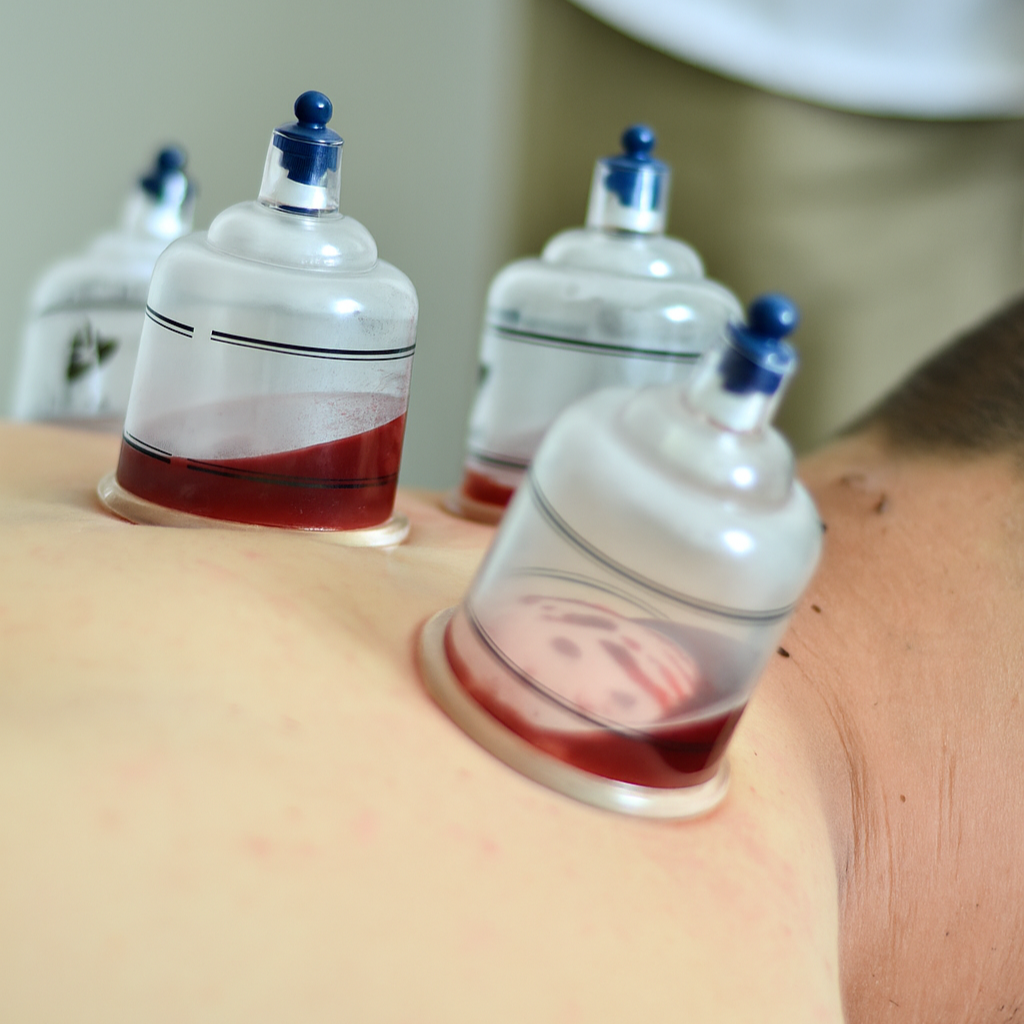
Hijama. A closeup of a young man prepared for the hijama treatment

Why Hijama is Good for Health?

Are you constantly battling chronic pain, migraines, or persistent fatigue without finding a lasting solution? We often rely on quick-fix modern medicine, but perhaps the answer lies in an ancient, natural therapy proven effective for centuries. Consider Hijama, or wet cupping, a remarkable traditional practice that has transcended time and cultures, particularly prominent in Islamic, Chinese, and Egyptian traditional medicine. This non-invasive method involves gently placing cups on the skin to create suction, followed by small, superficial incisions to draw out minor amounts of stagnant blood and toxins. Consequently, countless individuals are now turning to this holistic approach to invigorate their bodies and restore natural balance. Furthermore, its increasing acceptance highlights a global shift toward effective, root-cause wellness solutions. The Real Reason Why Hijama is Good for Health Many people ask, “What exactly makes Hijama so powerful?” The science suggests that by stimulating localized blood flow, the treatment facilitates the body’s natural processes of healing and detoxification. For instance, reports indicate positive results in managing conditions ranging from arthritic pain and stiff muscles to headaches and circulatory issues. Moreover, practitioners theorize that removing old, localized blood reduces systemic inflammation, which is the underlying cause of many chronic ailments. This profound action revitalizes the body’s energy pathways and gives a feeling of deep, foundational wellness. Therefore, this targeted purification method can offer relief and improve quality of life more sustainably than many conventional treatments. Unlock Your Best Self: Experience the Hijama Difference Imagine a life with less stress, greater mobility, and enhanced mental clarity. Individuals frequently report an almost immediate feeling of lightness and relaxation after a Hijama session, often noting a significant improvement in sleep patterns. Therefore, making this powerful, age-old practice a regular part of your wellness journey is a proactive step toward maintaining your body’s optimal function, not merely treating the symptoms of illness. To summarize, the holistic, detoxifying benefits of Hijama can align your physical body and mental state for renewed vitality. Ready to Align with Sunnah? Book Your Professional Hijama Take control of your health and experience the transformative benefits of this traditional therapy. HSMC proudly offers comprehensive Hijama services, meticulously scheduled to coincide with the highly recommended Hijama Sunnah days for maximum benefit and spiritual reward. Our treatments are performed by professional, certified doctors in a sterile, modern environment, ensuring safety and expertise. Book your consultation with HSMC today and start your journey to better health now!

Why Hijama is Good for Health? Read More »

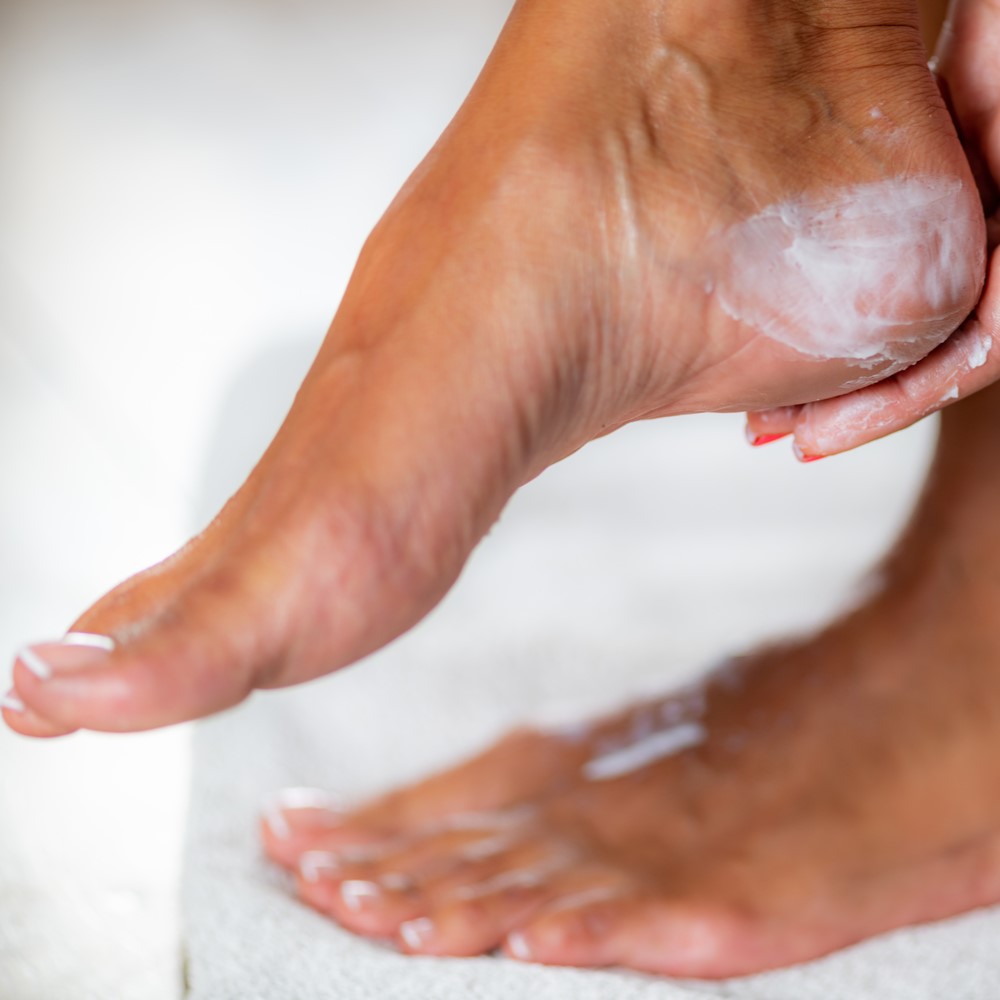
With a little care and these tips, you can say goodbye to cracked heels and dry feet and strut into the winter months with smooth feet.

Conquering Cracked Heels and Dry Feet

As the days grow shorter and temperatures dip, our attention naturally turns inwards. Cozy sweaters, and steaming mugs become the norm. But while we bundle up to combat the chill, one often-neglected area remains exposed: our feet. This can lead to a common winter woe – cracked heels and dry feet. Sure, they might be tucked away in boots most of the time, but ignoring these hardworking appendages can lead to discomfort, pain, and even potential infection. That’s why this blog post will be your battle cry against cracked heels and dry feet. Why the Cracked Heels? Several factors contribute to dry, cracked heels in winter. The colder air holds less moisture, zapping precious hydration from your skin. Frequent hot showers and baths further strip away natural oils, leaving your feet feeling like sandpaper. And let’s not forget about those snug boots and slippers – while cozy, they can trap sweat and create a breeding ground for fungus, exacerbating dryness and irritation. Your Home Spa Awaits The good news is that tackling cracked heels and dry feet doesn’t require expensive salon treatments. You can pamper your precious peonies right at home with these simple steps: Prevention is Key: While pampering is essential, preventing dryness in the first place is even better. Here are some proactive tips: When to Seek Help: While most cases of cracked heels and dry feet respond well to home care, some situations require professional attention. If you experience deep cracks, bleeding, severe pain, or signs of infection (redness, swelling, pus), consult a doctor or podiatrist for proper diagnosis and treatment. Remember, your feet deserve some love too! Show them the appreciation they deserve and keep those happy toes tapping all season long.

Conquering Cracked Heels and Dry Feet Read More »

Health and style medical centre logo (HSMC)

About us

The Abu Dhabi Podiatry heel pain Clinic  at Health and style Medical Center renders services to frequent patients per year. In Abu Dhabi Podiatry Clinic Diabetic foot care and general preventative care services are emphasized in the clinic while special procedures including nail and skin reconstruction are also available.

Contact info

Clinic Timing: