Uncategorized

Uncategorized

close up of women feet with swelling. what causes flat foot

What Causes Flat Foot? Understanding the Condition and Its Root Causes

Are you struggling with persistent foot pain or discomfort that’s impacting your daily routine? Do your feet appear to lack a visible arch, resting flat against the floor when you stand? If so, you might be among the many individuals wondering, “what causes flat foot?” This common condition—medically referred to as pes planus or fallen arches; can lead to a variety of mobility challenges if not properly addressed. At HSMC in Abu Dhabi, our experienced podiatrists are committed to helping you understand the causes of flat foot and guiding you toward the most effective treatment options available. Understanding What Causes Flat Foot: Congenital vs. Acquired The causes of flat foot can generally be categorized into congenital (present at birth) or acquired (developed over time): Understanding whether your flat foot is congenital or acquired is critical to choosing the right treatment approach. Posterior Tibial Tendon Dysfunction (PTTD): A Leading Cause Among the most common causes of flat foot in adults is posterior tibial tendon dysfunction (PTTD). The posterior tibial tendon supports the foot’s arch and allows for proper foot mechanics. When this tendon becomes inflamed, stretched, or torn due to overuse, injury, or age; the arch collapses, leading to flat foot. This progressive condition underscores the importance of early diagnosis and intervention. At HSMC, we frequently diagnose and treat PTTD using advanced imaging and personalized care plans. Injuries and Medical Conditions That Cause Flat Foot Certain medical issues can also lead to flat feet. These include: If you’re asking what causes flat foot in your case, these health conditions may be contributing factors that a foot specialist can evaluate thoroughly. Lifestyle and Age-Related Causes of Flat Feet As we age, our ligaments and tendons naturally lose elasticity. Combined with factors like obesity, prolonged standing, or poor footwear, the risk of developing flat foot increases. Being overweight adds significant stress to the arches, which may lead to their gradual collapse. Preventive strategies such as weight management, supportive shoes, and regular foot exercises can help reduce the risk. Expert Flat Foot Diagnosis and Treatment at HSMC, Abu Dhabi If you’re experiencing symptoms or are unsure what causes flat foot in your case, early evaluation is key. At HSMC, our team of board-certified podiatrists utilizes advanced diagnostic tools like gait analysis, X-rays, and ultrasound imaging to identify the underlying cause and customize a treatment plan. Our treatment offerings include: We prioritize conservative treatment options first and tailor every intervention to your unique needs and lifestyle. Take the First Step Toward Pain-Free Feet Don’t let flat feet limit your mobility or quality of life. Book a consultation with HSMC Abu Dhabi today and let our foot specialists help you understand what causes flat foot and how to manage it effectively.

What Causes Flat Foot? Understanding the Condition and Its Root Causes قراءة المزيد »

A high-quality, professional photograph of a male physical therapist assisting a male patient with shoulder mobility exercises in a bright, modern clinic. The therapist, wearing a blue polo shirt, is smiling and gently guiding the patient's arm upward. The patient, in a grey t-shirt, is seated and also smiling, appearing relaxed and comfortable. In the background, a medical skeleton model, blue exercise balls, and organized white shelves are visible. The lighting is soft and natural, creating a clean, clinical yet friendly atmosphere. physiotherapy

The Path to Pain-Free Living: Why Physiotherapy is the Answer

Living with persistent back pain, recovering from a sports injury, or managing a chronic condition can feel like an uphill battle. Often, the body signals for help through stiffness and discomfort that simply won’t fade with rest alone. When movement becomes a chore rather than a natural function, finding a professional solution is essential for long-term health. Reclaim the Rhythm: How Physiotherapy Restores Natural Movement Physiotherapy stands as a cornerstone of modern healthcare, offering a science-based approach to physical recovery. Instead of relying solely on medication to mask symptoms, this discipline focuses on the root cause of physical limitations. By employing specialized exercises, manual therapy, and education, experts help restore strength and flexibility. Statistics show that early intervention significantly reduces the need for invasive surgeries and long-term reliance on painkillers. Beyond the Pain: Unlocking Peak Performance with Physiotherapy Imagine waking up without that familiar ache in the neck or being able to run a marathon again without fear of injury. Through personalized treatment plans, physiotherapy empowers individuals to take control of their physical well-being. This journey involves more than just temporary relief; it builds a resilient body capable of handling the stresses of daily life. Whether the goal is to return to a professional sport or simply to play with grandchildren in the garden, the right guidance makes these dreams a reality. From Stiff to Swift: The Transformation Power of Physiotherapy Do not wait for the pain to become unbearable. Booking a consultation today can be the first step toward a more active and fulfilling life. Reach out to a local clinic to discover how a tailored recovery program can transform daily movement. Understanding the Benefits of Physiotherapy This field encompasses various techniques designed to improve mobility. Professionals assess movement patterns to identify imbalances that might cause future issues. Consequently, patients receive a roadmap for recovery that aligns with their specific lifestyle needs. How Physiotherapy Enhances Athletic Performance Athletes often utilize these services to stay at the top of their game. Beyond injury rehabilitation, practitioners focus on injury prevention by strengthening stabilizing muscles. This proactive approach ensures that the body remains durable during high-intensity activities. Common Conditions Treated by Physiotherapy From neurological disorders to post-operative care, the scope of practice is vast. Many people seek help for: Why Personalized Physiotherapy Matters Every body is unique, so a “one size fits all” strategy rarely works. Dedicated specialists spend time analyzing individual mechanics. Therefore, the resulting exercise programs target specific weaknesses, leading to faster and more sustainable results. Ready to Transform Your Health at HSMC? Don’t let physical limitations dictate the quality of life. Whether the goal is to overcome a nagging injury or to optimize daily performance, the expert team at HSMC is ready to provide elite-level care. Every recovery journey begins with a single, decisive step toward professional intervention. Experience the difference that a personalized, science-backed approach makes. By visiting the state-of-the-art facilities at HSMC, patients gain access to dedicated specialists who prioritize long-term results over temporary fixes. It is time to invest in a body that feels strong, mobile, and pain-free. Book a physiotherapy session at HSMC today and take the first step toward a more active future. Contact the clinic via the website or call the front desk to schedule an initial assessment. The path to better movement starts right here.

The Path to Pain-Free Living: Why Physiotherapy is the Answer قراءة المزيد »

A closeup shot of feet with a pedicure with one foot swollen from a wasp bite. Swollen feet after flying

Say Goodbye to Swollen Feet After Flying: Expert Tips for Comfortable Travel

Have you ever experienced the discomfort of swollen feet after flying? It’s a common issue many travelers face, leaving their ankles and feet feeling tight and puffy after a long journey in the air. This can certainly put a damper on your arrival, whether you’re starting an exciting vacation or heading back home. Understanding the reasons behind this swelling is key to finding effective ways to prevent and manage it. Why Do Your Feet Swell After Flying? Several factors contribute to swollen feet after flying. The reduced air pressure within the airplane cabin can impact your blood circulation. Additionally, prolonged periods of sitting with limited movement allow gravity to pull fluids into your lower limbs. Dehydration, often worsened by the dry cabin air and insufficient fluid intake during flights, also plays a significant role in fluid retention. Simple Steps to Prevent Swollen Feet During Air Travel Fortunately, there are proactive measures you can take to minimize and even prevent this bothersome condition, ensuring a more comfortable travel experience from takeoff to landing. Imagine stepping off the plane with your feet feeling light and refreshed, ready to explore your destination or comfortably settle back home. Achieving this is easier than you might think! Simple yet effective strategies can make a significant difference in preventing swollen feet after flying. Consider wearing compression socks, which gently support your veins and improve circulation. Moreover, make a conscious effort to stay hydrated by drinking plenty of water before, during, and after your flight. Additionally, try to incorporate gentle ankle and foot exercises while seated, such as rotating your ankles and flexing your toes. When possible, stand up and walk around the cabin for a few minutes every hour to encourage blood flow. Implementing these habits can drastically reduce the occurrence of swollen feet after flying, allowing you to travel with greater ease and comfort. Take Action for Comfortable Flights Don’t let swollen feet after flying ruin your next trip. By incorporating the simple tips mentioned above, you can significantly minimize discomfort and arrive at your destination feeling more energized. Remember to wear compression socks, stay well-hydrated, perform in-seat exercises, and move around the cabin whenever feasible. Take control of your travel comfort and say goodbye to that unpleasant post-flight puffiness! Consult our doctor if you experience persistent or severe swelling, as it could indicate an underlying medical condition.

Say Goodbye to Swollen Feet After Flying: Expert Tips for Comfortable Travel قراءة المزيد »

Flat feet diagnosis and orthotics, shoe inserts. Problems with flatfoot, pain. Identification of flat foot. Treatment to plantar fasciitis. Woman’s foot and insoles at home, close up view. flat feet pain relief

Finding Flat Feet Pain Relief: A Podiatrist’s Guide

Flat feet, also known as fallen arches, can cause a variety of foot and ankle problems, including pain, stiffness, and fatigue. If you’re struggling with flat feet pain, you’re not alone. Many people experience discomfort due to this condition. Understanding Flat Feet Pain Flat feet occur when the arch of the foot collapses, causing the entire sole to make contact with the ground. This can put extra pressure on the foot’s muscles, tendons, and ligaments, leading to pain and discomfort. Common Symptoms of Flat Feet Pain Finding Relief from Flat Feet Pain There are several ways to find relief from flat feet pain: When to See a Podiatrist If you’re experiencing persistent flat feet pain, it’s essential to consult a podiatrist. They can properly diagnose the condition and recommend the most effective treatment options for your specific needs. Remember, you don’t have to live with flat feet pain. By seeking professional help and implementing the right strategies, you can find relief and enjoy pain-free activity once again.

Finding Flat Feet Pain Relief: A Podiatrist’s Guide قراءة المزيد »

Dentist checking and selecting color of young woman's teeth. teeth whitening

Brighten Your Smile: A Guide to Teeth Whitening

Teeth whitening has become increasingly popular in recent years as people seek to improve their smiles. This cosmetic dental procedure can help remove stains and discoloration caused by factors such as aging, smoking, and drinking coffee or wine. How Does Teeth Whitening Work? Teeth whitening treatments typically involve bleaching agents that penetrate the tooth enamel and break down stains. These agents can be applied in various ways, including: Is it Safe? While teeth whitening is generally safe when performed correctly, it’s important to consult with a dentist to determine if it’s right for you. People with sensitive teeth or gum disease may need to take extra precautions. Tips for Maintaining a Whiter Smile: It has become increasingly popular in recent years as people seek to improve their smiles. This cosmetic dental procedure can help remove stains and discoloration caused by factors such as aging, smoking, and drinking coffee or wine. Takeaway message

Brighten Your Smile: A Guide to Teeth Whitening قراءة المزيد »

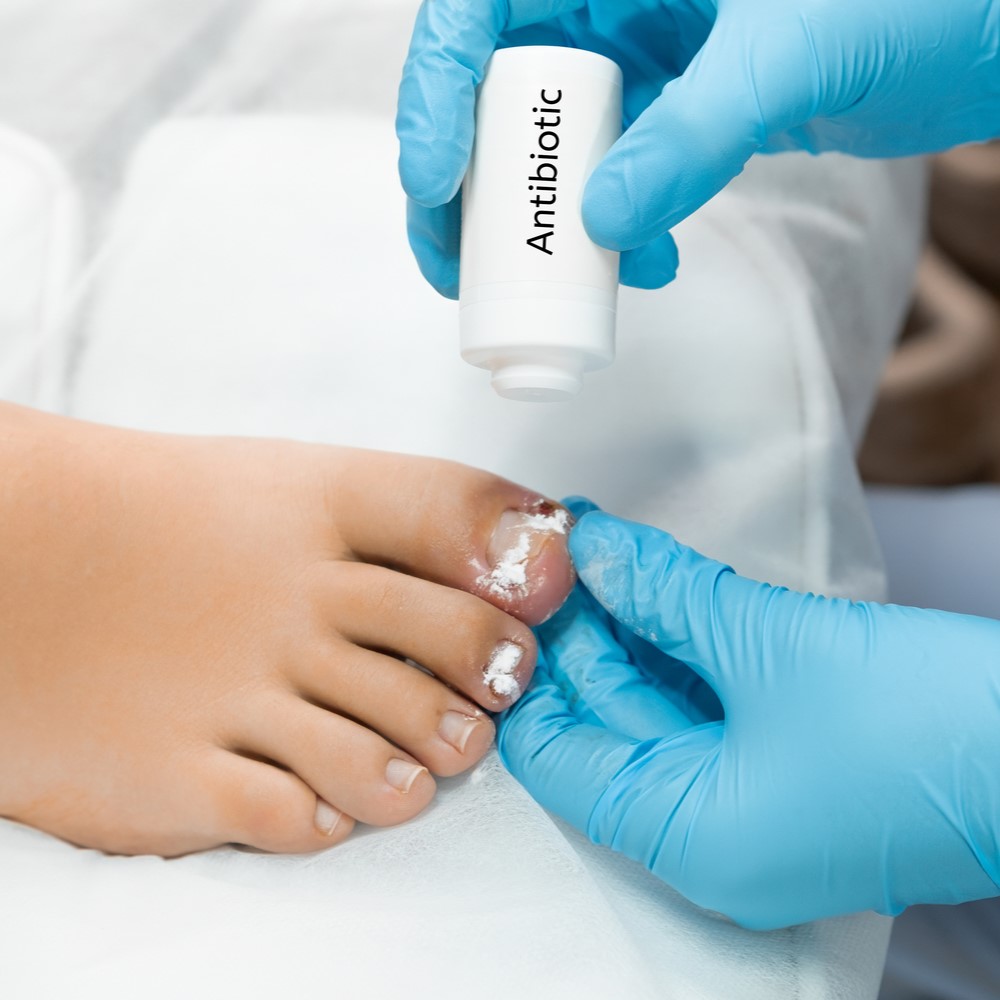
Podologist uses antibiotic powder after removal of ingrown toe nail. diabetic foot ulcer.

Diabetic Foot Ulcers: A Guide to Treatment

Diabetic foot ulcers are a serious complication of diabetes that can lead to amputation if left untreated. These sores are caused by nerve damage (neuropathy) and inadequate blood supply to the feet. If you have diabetes, it’s crucial to understand the signs of a diabetic foot ulcer and seek prompt medical attention. Recognizing the Signs Treatment Options The appropriate treatment for diabetic foot ulcers will depend on the extent of the problem. Common approaches include: Prevention is Key Preventing diabetic foot ulcers is crucial. Here are some tips: Find out more tips for diabetic foot care. Additional Tips for Managing Diabetic Foot Ulcers If you have diabetes, it’s important to work closely with your healthcare provider to develop a personalized treatment plan. By taking proactive steps to prevent and treat diabetic foot ulcers, you can significantly reduce your risk of complications and improve your overall quality of life.

Diabetic Foot Ulcers: A Guide to Treatment قراءة المزيد »

How to Prevent Blisters During Hajj

Hajj is a journey of faith, but it’s also a physical challenge. Blisters can quickly turn those sacred steps into agonizing hops. Here’s how to prevent blisters during hajj and keep your feet happy throughout your pilgrimage. Fit for the Journey: Choosing the Right Shoes The foundation of preventing blisters during Hajj prevention lies in proper footwear. Opt for comfortable shoes with ample cushioning, particularly in the heel and ball of the foot. Breathable materials like leather or mesh allow for ventilation, preventing sweaty feet. Consider the diverse landscapes you’ll encounter – smooth marble floors, uneven cobblestone paths, and potentially hot sand. Shoes with good traction will minimize the risk of slips and falls. Remember, brand new shoes can be your worst enemy. Break them in thoroughly before your pilgrimage to ensure a comfortable fit. Your checklist before purchasing a shoe! Socks: Your Secret Weapon to Prevent Blisters During Hajj Socks play a crucial role in preventing blisters during Hajj. Choose thin, moisture-wicking socks made from materials like merino wool or synthetic blends. These materials absorb sweat and minimize friction between your skin and shoes. Avoid cotton socks, as they retain moisture and increase the risk of blisters. Consider double-layering socks for additional protection, especially if you have sensitive feet. Minimize Friction: Keep Your Feet Dry and Protected Friction is the primary culprit behind blister formation. Here’s how to keep it at bay: Consult a podiatrist before Hajj. Beyond Prevention: Taking Care of Existing Blisters If a blister does form, resist the urge to pop it. Unbroken blisters offer natural protection against infection. Apply a sterile bandage to cushion and protect the blister. In severe cases, consult a doctor at the medical facilities readily available during Hajj. Remember, a comfortable pilgrimage is a more fulfilling one. By prioritizing proper footwear, utilizing moisture-wicking socks, and minimizing friction, you can prevent blisters during Hajj and ensure your feet carry you through Hajj with minimal discomfort.

How to Prevent Blisters During Hajj قراءة المزيد »

Barefoot young pregnant woman sitting on chair with feet up and hands on stomach. Feet swelling during pregnancy concept.

Tips for reducing swollen feet during pregnancy

Did your shoe size change during pregnancy? Do you suffer from pain and swelling of the feet during pregnancy? Is swollen feet during pregnancy common for all of these changes to happen? And the most important question is how to overcome this problem? To begin, we must acknowledge that pregnancy is a challenging experience in which many physiological changes occur, and women confront several health issues that must be addressed to protect their health and the health of the fetus.  One of the most common problems is swollen feet during pregnancy. Swollen feet during pregnancy! We must first understand the reasons behind this problem before we can assess whether or not it is preventable. Is it normal? Yes, it is normal for a pregnant woman to have some swelling during pregnancy, especially in the legs, ankles, feet, and toes. Swelling occurs because there is more water than usual in the body. Excess water tends to collect throughout the day in the lower extremities, especially if the weather is hot or you have been standing for long periods. The pressure of the growing uterus can also affect blood flow in the legs, causing fluid to build up in your legs, ankles, and feet. It is often worse at the end of the day and in the last months of pregnancy. Pre-eclampsia It is true that swelling that occurs gradually is not usually harmful, but it can be annoying. In contrast to the sudden swelling that may be a sign of preeclampsia! At that time, you should monitor the situation and consult a doctor as soon as possible. Tips to reduce swollen feet during pregnancy Try these simple steps to help reduce swelling: Avoid standing for long periods. Raise your feet as much as possible when sitting and avoid crossing your feet. Stretch a lot after sitting for long periods. Lie on your left side when sleeping. Drink plenty of water. This advice may sound strange, but if your body feels dehydrated, it will try to retain more fluids. Wear comfortable shoes and socks and avoid tight clothing or anything that may put pressure on your feet. Exercise regularly. Try to walk regularly during the day or do simple foot exercises such as: Bend the feet and extend them up and down 30 times. Rotate each foot in a circle 8 times in one direction and 8 times in the other.

Tips for reducing swollen feet during pregnancy قراءة المزيد »

Millennial Arab guy in headset watching online webinar on laptop at home. Sitting too much concept.

Sitting too much! Is it dangerous?

With the development of technology and changing our lifestyles, we spend a lot of time sitting whether we are at home or work. Sitting too much is an addiction now! The majority of the routine has come to be linked with sitting. For example, we wake up in the morning, we sit down for breakfast, then we sit in the vehicle on our way to work, and then we sit at work all day before driving home and sitting on the sofa watching TV or browsing the Internet. The numbers don’t lie Do you really sit for long periods? Or it’s several times but for short periods. Let’s put that into numbers. Suppose you sleep eight hours a day and there are sixteen hours left. Often your routine includes: It takes about 45 minutes to drive to work Work at the office for 8 hours You eat lunch in 45 minutes or an hour It takes about 45 minutes to get home Eat dinner in 30 minutes Watching TV, reading or browsing the Internet and social networking sites for 3 hours The total sitting time during the day is approximately 14 hours! But what is the problem with sitting?! Sitting too much and for long periods can affect your health and research has shown that it can lead to many health problems such as: Being overweight or obese Unhealthy levels of blood sugar and type 2 diabetes. Research indicates that people who spend more time sitting have a 112% risk of developing diabetes. Increased risk of heart disease because your heart and cardiovascular system work more effectively when standing. Weakness and atrophy of the muscles of the legs. If these muscles are weak, you can hurt yourself by falling and straining when exercising. Increased risk of anxiety and depression in people who sit more. This may be because people who spend a lot of time sitting miss out on the positive effects of physical activity and fitness. But fortunately, it has been proven that if we watch TV for less than two hours a day, we can reduce the risk of developing pre-existing health problems. Exercising regularly – at least 150 minutes a week – and reducing sitting time will also help.

Sitting too much! Is it dangerous? قراءة المزيد »

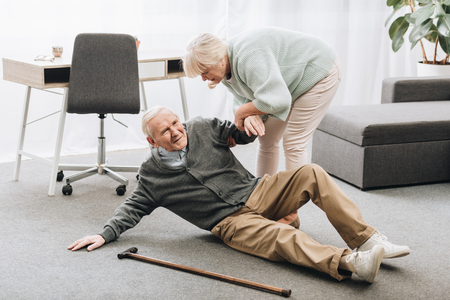
Anyone can fall, but the elderly are more likely to. Falls can cause serious injuries. That’s why fall prevention strategies are crucial.

Fall prevention! Any tips that can help?

You might think that falling is not a big problem that needs steps and tips to avoid, but numbers have another opinion; nearly 36 million falls occur among the elderly every year, and a large number of them need treatment in emergency departments and may cause death! That’s why the need for fall prevention tips is rising. What are the factors that increase the risk of falling? Certainly, some factors can greatly affect our balance and increase the risk, such as: Your general health. Deformities in the foot. Foot pain because it is difficult to walk swollen or injured feet. Wearing ill-fitting or worn-out shoes may make you more prone to slipping or tripping. Getting old! Because it can change the shape of our feet and cause losing some of their flexibility, change the way we walk and affect our balance. Tips to prevent falls Yes, fall prevention needs special care and can be done through the following tips Taking care of your feet Consult a podiatrist at Health and Style Medical Center if you have achy or swollen feet, feel tingling or pins in your feet, or if you notice any changes in the shape of your feet. Ask a podiatrist about ways to improve blood circulation and reduce pain in the legs and feet, you can also find out some tips here. When buying a shoe Make sure that The sole is not slippery. You can walk around in the store for a while The shoes are suitable and the heel does not slip Trying both soles Buying shoes at night because the feet swell during the day For more tips on choosing the right shoe. Safe home Some home changes may also help in fall prevention at home Wipe up spilled liquids on the floor immediately Remove excess wires and worn carpets Use durable non-slip rugs Ensure that all rooms, corridors and staircases are well lit Do not walk on slippery floors with socks Avoid wearing loose clothing as it may cause you to stumble Wear well-fitting shoes, in good condition and that support the ankle Add grab bars in the bathroom Exercising Regular strength and balance exercises help improve your strength and balance and reduce the risk of falls. But you will need to consult your doctor to determine the activities that you can do, and you can ask him about some activities that you can do at home. Eye tests Impaired vision greatly increases the likelihood of falls, so get regular eye exams.

Fall prevention! Any tips that can help? قراءة المزيد »

Health and style medical centre logo (HSMC)

About us

The Abu Dhabi Podiatry heel pain Clinic  at Health and style Medical Center renders services to frequent patients per year. In Abu Dhabi Podiatry Clinic Diabetic foot care and general preventative care services are emphasized in the clinic while special procedures including nail and skin reconstruction are also available.

Contact info

Clinic Timing: