
Alaa Hamdy

اسم الكاتب: Alaa Hamdy

Little boy trying on shoes in kids store, side view. Son choosing sneakers in supermarket. Choosing the right shoe for your kid concept

How can you choose the right shoe for your kid?

Kids’ feet are prone to deformity when wearing improper shoes, and this risk remains until the bones are fully formed. Therefore, it becomes necessary to know how to choose the right shoe for your kid. We all know that kids are eager to go shopping for new fashionable shoes, but here is our rule to help them choose a shoe that fits its function and promotes healthy foot development. Why should I choose suitable shoes for my kid? Because kids’ feet keep growing until the age of 18, wearing ill-fitting shoes can affect their development such as Short-term effect: Cause pain in your little kid’s feet, along with calluses, ingrown toenails, or blisters. Long-term effect: more serious problems may occur such as foot deformities which can affect walking or cause back pain! When do I start choosing shoes for my kid? Kids do not have to wear shoes at all to be able to walk. Also, avoid using tightly coiled blankets that prevent kicking and leg movement. Choose socks made of natural materials and try to avoid rubber socks. Finally, let your kid walk barefoot at home. Tips for choosing the right shoe It’s time to learn how to choose the right shoe for your kid Measure your child’s feet. Ask them at the shoe store if they have equipment used to measure the proper length and width of your kid’s feet. It would be better than trying to do it yourself at home. Don’t buy too big. It is true that kids’ feet are constantly growing up to 18 years old, but shoes that are too large make your kid vulnerable to falls that may cause injury. Make sure there is enough room in the shoe. There should be enough space in the front of the shoe to help prevent increased pressure on the toes. Make sure your kid can easily move the forefoot in the shoes. Leave 1 to 2 cm between the longest toe and the front of the shoe. Choose closed-toed shoes with arch supports made of breathable materials such as leather or fabric. Replace shoes every three or four months if your kid is in his growing years. Finally, the podiatrists at Health and Style Medical Center can help you find out if the shoes are suitable for your kid or not, and always remember that the right shoe is an investment for your kid that will reflect in the short and long term.

How can you choose the right shoe for your kid? قراءة المزيد »
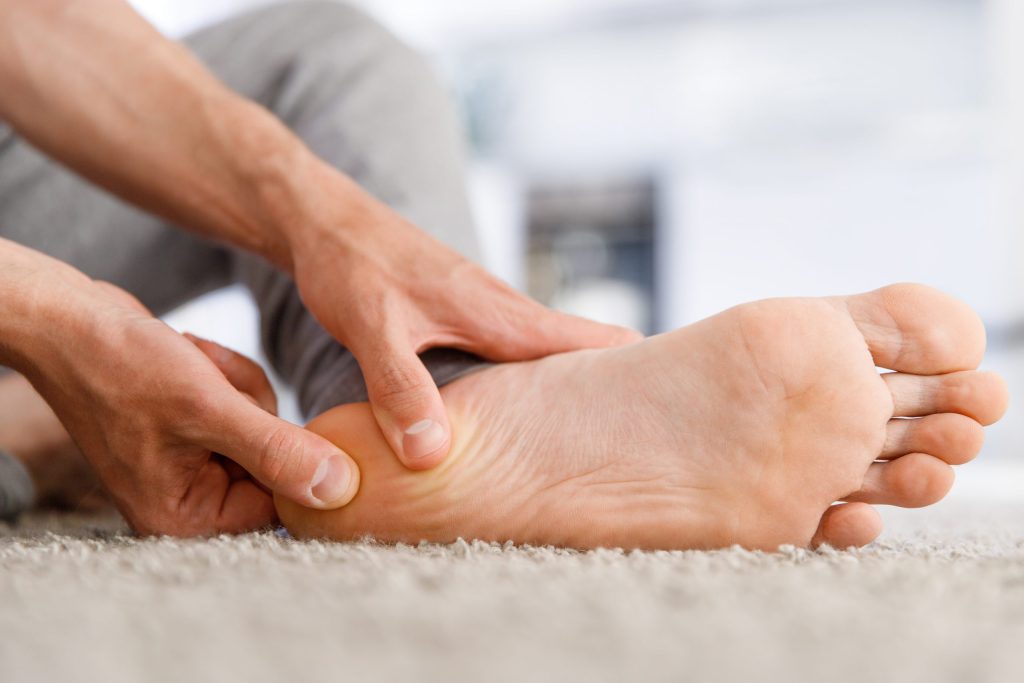
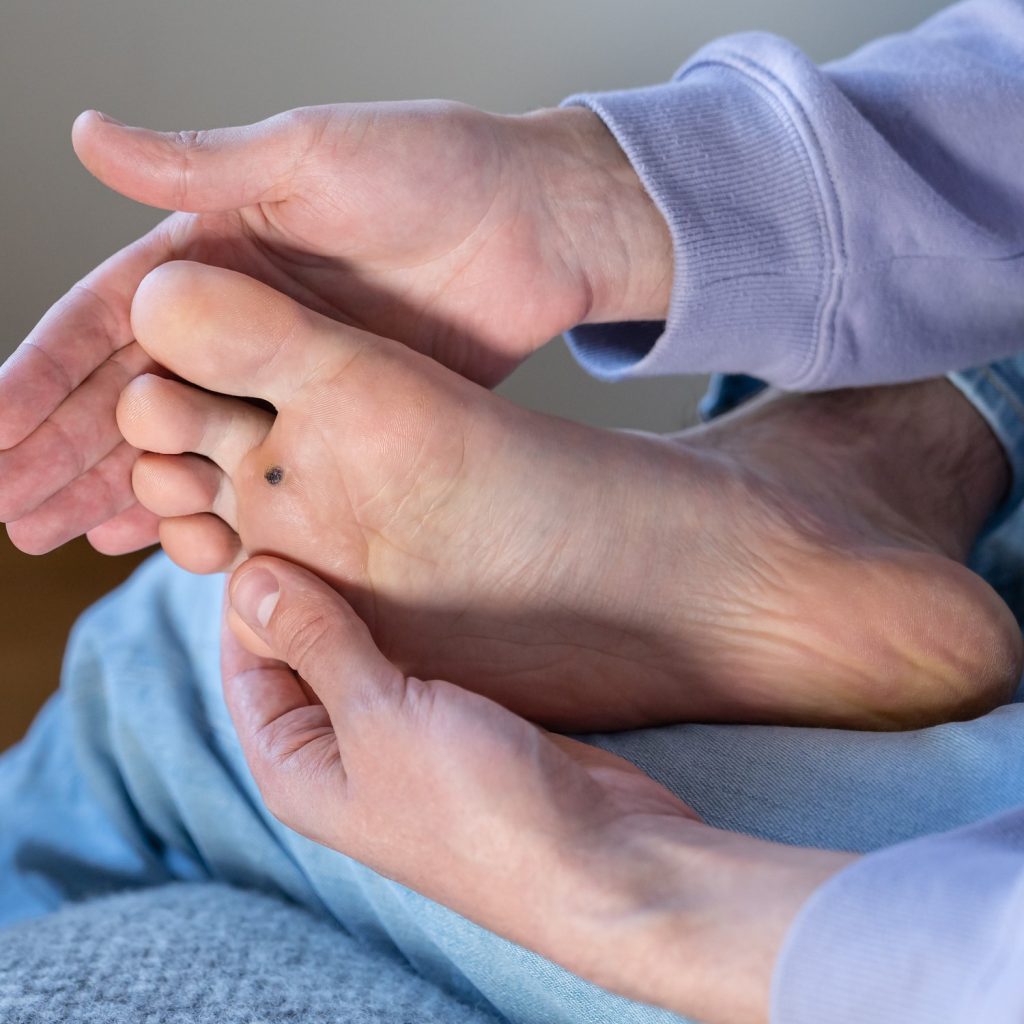
Man hands giving foot massage to yourself after a long walk, suffering from pain in heel spur and plantar fasciitis

Plantar Fasciitis Strapping: A Simple Way to Relieve Pain

Are you tired of foot pain ruining your morning routine? Need a little extra support for your plantar fascia? We’ve found strapping to be a simple yet highly effective solution for managing this common foot issue. Whether you’re dealing with a years-long chronic case or a recent onset of heel pain, many of our patients have gotten relief from night splints and daytime foot straps. In this blog, we will dive into plantar fasciitis strapping. What’s Plantar Fasciitis? It is a frequent ailment that creates discomfort in the foot’s heel and arch. It is caused by inflammation of the plantar fascia, a thick band of tissue that extends from the heel to the toes on the sole of the foot. Overuse, poor arch support, flat feet, or obesity can cause plantar fasciitis. There are a number of treatments for plantar fasciitis, including rest, ice, compression, and elevation (RICE). In some cases, surgery may be necessary. However, for many people, strapping can provide relief from pain and help to speed up the healing process. More about plantar fasciitis. Plantar fasciitis strapping in further detail Plantar fasciitis strapping is a simple and effective way to support the arch of the foot and reduce stress on the plantar fascia. A qualified healthcare professional usually performs it. To apply plantar fasciitis strapping, the podiatrist will need the following materials: Rigid athletic tape Scissors Measuring tape Strapping can be an effective way to relieve pain and improve function in people with plantar fasciitis. If you are experiencing pain in your heel or arch, talk to your doctor or a qualified healthcare professional about strapping. Tips for managing plantar fasciitis Wear shoes with good arch support. Avoid activities that put stress on your feet, such as running and jumping. Stretch your calves and feet regularly. Lose weight if you are overweight or obese. Get enough rest. With proper care, most people with plantar fasciitis can make a full recovery. Our therapists have perfected the art of applying these straps to provide targeted compression and support of the inflamed plantar fascia. Book an appointment now!

Plantar Fasciitis Strapping: A Simple Way to Relieve Pain قراءة المزيد »

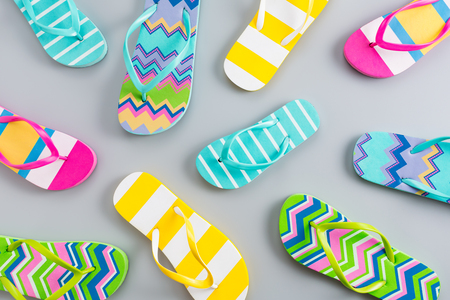
Colorful flip flops on grey background. Summer concept

Why Flip-Flops Aren’t the Best Choice in summer?

It’s no secret that people love the beach in the summer. The sun, the waves, and the sand are all part of the perfect summer day. And while flip-flops may seem like the perfect footwear for a day at the beach, they may not be the best choice for your foot health. But did you know that wearing them too often can actually be harmful to your foot health? Flip-flops may be convenient and fashionable, but they are not designed for everyday use, and overusing them can lead to many foot problems. In this blog post, we will explore the negative effects of overusing flip-flops in the summer and provide tips for maintaining healthy feet. Why do people love flip-flops? One of the biggest reasons people love wearing flip-flops at the beach is because they allow you to feel the sand between your toes. While this may be a fun sensation, it’s important to remember that sand can be abrasive and can cause irritation and even injury to your feet. If you do decide to go barefoot, be sure to inspect your feet regularly for cuts, scrapes, and other injuries. Flip-flops are also a popular choice for the beach because they are easy to slip on and off, and they allow your feet to breathe in the hot summer sun. Risks of wearing flip-flops First and foremost, flip-flops offer very little support for the feet. They have no arch support or cushioning, unlike sneakers or other closed-toe shoes. This can lead to pain in the heel, arch, and ball of the foot, as well as conditions like plantar fasciitis. Additionally, they can alter the way you walk, which can also have negative effects on your foot health. Because they are so flexible, your toes have to work harder to keep them on your feet, which can cause the muscles and tendons in your feet to strain and become fatigued. This can lead to foot pain and even injuries like sprains and strains. Also, if you are walking on hot sand or pavement, your feet can become burned or blistered. Furthermore, flip-flops offer very little protection for your feet. Because they are so open, they leave your feet vulnerable to cuts, scrapes, and other injuries. This is especially true if you are walking on rough or uneven surfaces, such as gravel or rocky terrain. In addition, if you are wearing flip-flops in a public area like a pool or locker room, you are at risk of contracting fungal infections like athlete’s foot. What should you do? So, what can you do to maintain healthy feet in the summer while still enjoying the convenience of flip-flops? It’s important to remember that they may not be the best choice for your foot health. But if you wear flip-flops; Be sure to limit your use to short periods of time If you need to walk or stand a lot, opt for shoes with more support and cushioning. Always remember to protect your feet from the sun and sand by applying sunscreen and inspecting them regularly for cuts, scrapes, and other injuries. Keep in mind that flip-flops may be popular summer footwear, but they are not the best option for everyday use. Overusing can lead to foot problems, including pain, injury, and fungal infections. By following the tips outlined above, you can still enjoy flip-flops while maintaining healthy feet. Make an appointment at Health and Style Medical Center to have your foot health checked.

Why Flip-Flops Aren’t the Best Choice in summer? قراءة المزيد »

Cropped image of confident general practitioner in white lab coat crossing arms

Why you need a general practitioner?

Have you ever wondered why you need a regular doctor when you’re not sick? You may feel healthy now, but a general practitioner can help keep you that way for the long run. General practitioners (GPs) are the first point of contact for most people when they need medical care. They are trained to diagnose and treat many common conditions and can refer patients to specialists when needed. How a general practitioner can help you stay healthy? In recent years, there has been a growing focus on the importance of GP specialization. This is because GPs who specialize in a particular area of medicine can provide more comprehensive and informed care. A general practitioner acts as your primary point of contact for the healthcare system. They can provide: Preventative care – Catching health issues early through screenings and routine exams is key to avoiding serious problems down the road. GPs recommend the right checkups and tests to monitor your heart health, blood pressure, cholesterol and more. Chronic condition management – If you have a long-term condition like high blood pressure or diabetes, your doctor can help develop a personalized treatment plan and adjust your medications over time. With proper management, many chronic illnesses can be controlled. Trusted health advice – Facing decisions about prescription drugs, procedures, diets or lifestyle changes? Your doctor can provide unbiased, evidence-based recommendations tailored to your specific circumstances and goals. What are the benefits of seeing a GP? Of course, there are many benefits including: More comprehensive and informed care Increased access to specialized tests and treatments Improved patient satisfaction. This can lead to better communication and understanding between the GP and the patient, which can ultimately lead to better outcomes. Reduced risk of misdiagnosis or delayed treatment If you are looking for a GP who can provide you with the best possible care, it is important to find one who specializes in an area of medicine that is relevant to your needs. For example, if you have a chronic condition, such as diabetes or asthma, you will want to find a GP who specializes in those conditions. We believe that GP specialization is essential for providing our patients with the best possible care. If you are looking for a GP who can provide you with comprehensive and informed care, we encourage you to contact us today. Don’t wait until you’re sick to meet your match – find a general practitioner and work together to protect your health.

Why you need a general practitioner? قراءة المزيد »

Leg Injury. Male athlete suffering from pain in leg while exercising outdoors. Common running injuries.

Common Running Injuries: prevention and treatment tips

Runner, beware! Common running injuries, like Achilles tendonitis, plantar fasciitis, stress fractures, and shin splints lie in wait, ready to sideline even the fittest athlete. But fear not, with the proper preparation and treatment strategies, you can conquer these obstacles and keep running injury-free. Tips for preventing common running injuries Start slowly and gradually increase your mileage. Don’t strive to do too much too quickly. Take rest days as needed. Wear good shoes that fit properly and give adequate support. Your Checklist when purchasing a new shoe. Do not run on hard surfaces, such as concrete. Cross-train. Cross-training with activities such as swimming, biking, or elliptical training can help to strengthen your muscles and joints, which can help to prevent running injuries. Warm up and cool down. Warming up before you run and cooling down afterward can help to prepare your body for exercise and prevent injuries. Eat a healthy diet. Eating a healthy diet can help to give you the energy you need to run and can also help to prevent injuries. Get enough sleep. Getting enough sleep is important for overall health and can also help to prevent injuries. How to treat running injuries at home? You can do many things to treat common running injuries at home, including: This is the most important thing you can do for any running injury. Several times a day, apply ice to the affected area for 20 minutes at a time. To assist reduce swelling, apply an elastic bandage or compression sleeve. Keep the affected area elevated above your heart. Over-the-counter pain medication. This can aid with pain and inflammation relief. Physical therapy. In some cases, you may need physical therapy to help you recover from a running injury. While running… If you’re experiencing pain while running, it’s important to stop and rest. Don’t try to push through the pain, as this could make the injury worse. If the pain doesn’t go away after a few days of rest, see a podiatrist or physical therapist.

Common Running Injuries: prevention and treatment tips قراءة المزيد »

Man checks wart at home after cauterizing it with celandine on infected foot. Human papillomavirus or HPV. Verrucas papilloma callus virus. Viral skin infection concept. CryoPen for verruca.

Needling for Verruca: What You Need to Know

Did you know there’s a simple treatment for verruca that actually works and it doesn’t involve chemicals or lasers? When needling done correctly it can be incredibly effective at clearing up stubborn plantar warts for good. In this post, we will reveal more about needling for verruca. What Is Verruca? Verruca, also known as warts, are small, raised growths on the skin caused by a virus. They are most common on the hands and feet, although they can appear on other regions of the body as well. Verruca can be unsightly and sometimes painful. There are a number of treatments available for verruca, including cryotherapy, laser therapy, and chemical peels. Find out more about Verruca. What About Needling for Verruca? Needling is a newer treatment option for verruca. It involves the use of a sterile needle to puncture the verruca, which causes the body’s immune system to attack the virus. Usually, a podiatrist is the one who performs the needling. The needling procedure is typically painless, due to using a local anesthetic. The needle is then inserted into the verruca and repeatedly punctured. The number of punctures varies depending on the size and severity of the verruca. Needling is often effective in treating verruca, but it may require multiple treatments. The size and location of the verruca, as well as the patient’s immune system all affect the success rate of needling. It is a safe and effective treatment for verruca. However, it is important to note that there are some risks associated with the procedure, such as bleeding, infection, and scarring. Needling in A Nutshell It is a relatively new treatment option for verruca. Verruca may require multiple treatments. Needling is a safe and effective treatment for most people, but it is important to talk to your podiatrist about the risks and benefits before you decide to have the procedure. Tips for preventing the situation from worsening If you have a verruca, there are a number of things you can do to help prevent the spread of the virus, including: Wash your hands often with soap and water Do not share personal items, such as towels and shoes. Keep your skin clean and dry. Trim your nails short. Wear shoes when you are in public places. If you have any questions or concerns about Verruca, please talk to your doctor or podiatrist.

Needling for Verruca: What You Need to Know قراءة المزيد »

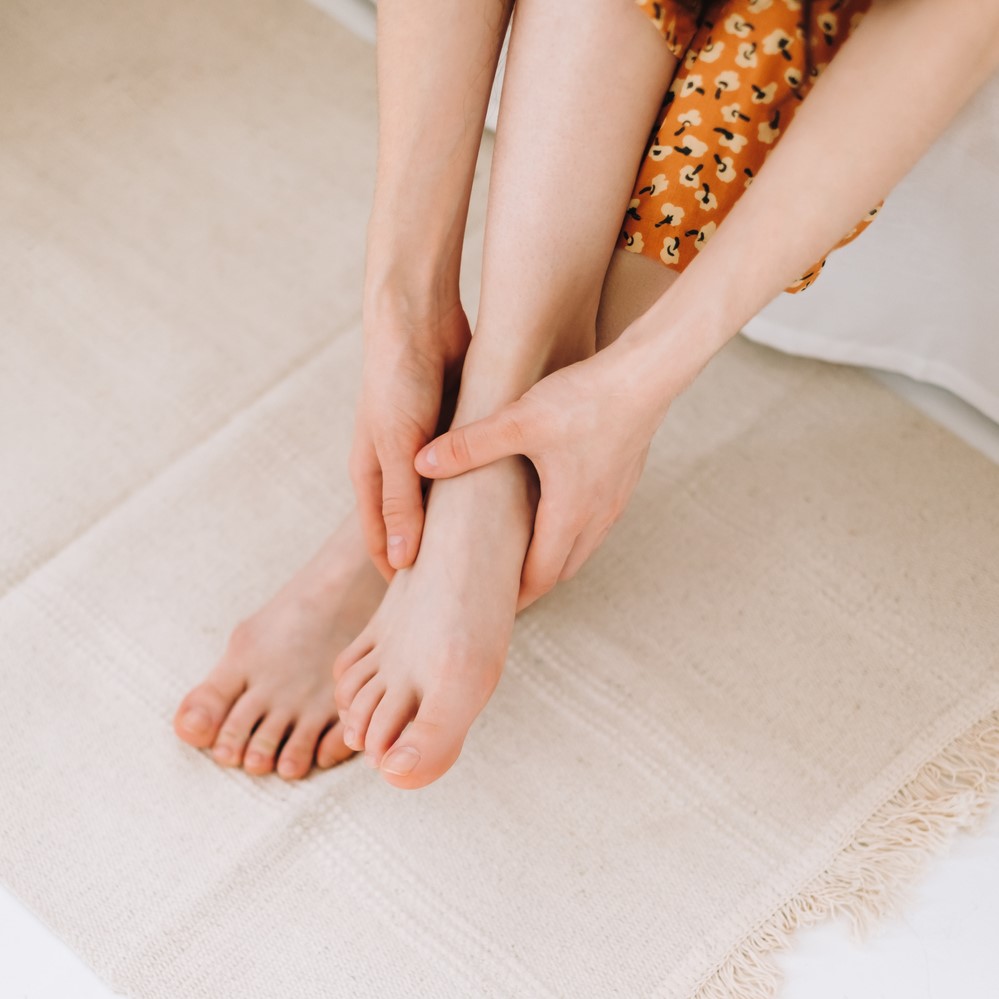
Woman sitting on the bed massages her foot, close-up. Foot pain. Verruca

Verruca! What is the treatment?

The foot verruca is very annoying and painful, especially when walking. You can put an end to the pain by following some tips that will help you treat it and prevent reinfection. What is Verruca? Verruca, a type of wart, is caused by a viral infection and affects the bottom of the feet. They are brown and have a rough surface and can be very small or large. What is the treatment? In most cases, they are harmless and usually go away on their own, but it can take months or even years! It may itch or be painful. Your pharmacist can advise you about the best treatment for you, which could be creams, patches, or sprays for warts. But these treatments can take up to 3 months, and your skin may become irritated. The time it takes for a wart to go away varies from person to person. It tends to last longer in older kids and adults. Warts are also less likely to heal on their own or respond well to treatment if a person has a weakened immune system. While you will need to consult a doctor if: You are concerned about their appearance They keep coming back or is very large or painful The verruca bleeds or changes shape How will the doctor help you to treat verruca? The doctor at Health and Style Medical Center will prescribe the appropriate method for your condition. Treatment methods include the following: Salicylic acid Cryotherapy (freezing of skin cells) using the latest technology Chemical treatments How to prevent the spread of verruca? Warts are not highly contagious, but the infection can be transmitted through skin-to-skin contact or indirectly from contaminated objects or surfaces, such as the area around a swimming pool. Your risk of infection increases if your skin is wet or damaged. But it may take weeks or even months for a verruca to appear! Some tips will help you prevent your loved ones from getting infected or injuring you elsewhere if you have a wart Wash your hands after touching a wart Change your socks daily Cover warts with a waterproof plaster when swimming Be careful not to cut warts when shaving Do not share towels, clothes, socks, or shoes Avoid walking barefoot in public places Avoid scratching or patting the wart Verruca may be a minor issue, but it can be uncomfortable and embarrassing, necessitating prompt treatment.

Verruca! What is the treatment? قراءة المزيد »

Competent chiropodist wearing uniform during work while doing treating procedure for ingrown toenail. Treat ingrown toenails.

How to Prevent and Treat Ingrown Toenails

Are ingrown toenails ruining your summer sandal style? Do you find yourself hobbling around in discomfort from unsightly toenail issues? Well, fret no more! With these simple tricks to prevent and treat ingrown toenails, you’ll be stylishly strutting your stuff in no time. What are ingrown toenails? An ingrown toenail is a painful ailment caused by the toenail’s edge growing into the skin around the toe. This can cause redness, swelling, pain, and sometimes infection. Ingrown toenails are most common on the big toes, but they can also occur on other toes. Whether ingrown toenails are a recurring issue for you or you just want to avoid the pain and hassle altogether, there are ways to keep your toenails neat, healthy, and free from digging into the skin. With minimal effort, you can transform your toenail troubles into toenail bliss. From the proper trimming techniques that reduce ingrown risks to products that gently lift curled nails back into place, we’ll uncover the insider secrets to finally freeing your toes after years of torture. Tips to prevent ingrown toenails There are many things you can do to prevent ingrown toenails, including: Trim your toenails straight across. Do not shape your nails to match the form of your toe. Keep your toenails at a moderate length. Trim your toes so that they are on the same level as the tips of your toes. If your toenails are cut too short, the pressure from your shoes on your toes may cause a nail to grow into the surrounding tissue. Wear shoes that fit properly. Shoes that put too much pressure or squeeze your toes may cause a nail to grow into the surrounding tissue. Tips to choose the right shoe. Check your feet regularly. Look for signs of ingrown toenails, such as redness, swelling, pain, or infection. How to treat ingrown toenails at home? You can do many things to treat ingrown toenail at home, including: Soak your feet in warm water. This will help to soften the nail and the skin around it. Apply a warm, moist compress to the affected toe. This will also help to soften the nail and the skin around it. Use a cotton swab or piece of dental floss to gently lift the edge of the nail away from the skin. This will aid in the relief of pressure and discomfort. Apply antibiotic ointment to the affected area. This will help to prevent infection. If your ingrown toenail is severe or does not improve with home treatment, you may need to see a podiatrist. They may be able to remove part of the nail or perform another procedure to relieve the pain and prevent infection.   Ingrown toenails can be a painful and frustrating condition, but there are a number of things you can do to prevent and treat them. By following the tips above, you can help to keep your toenails healthy and prevent ingrown toenails from developing. For special cases It is important to check your feet regularly for ingrown toenails if you have diabetes. Diabetes can make it difficult for wounds to heal, so it is important to seek medical attention if you develop an ingrown toenail. If you are prone to ingrown toenails, you may want to consider wearing shoes with a wide toe box or open-toed shoes. This will help to reduce pressure on your toes and prevent the nail from growing into the skin. If you have an ingrown toenail that is infected, you may need to take antibiotics. Be sure to finish the entire course of antibiotics, even if you start to feel better before you finish.

How to Prevent and Treat Ingrown Toenails قراءة المزيد »

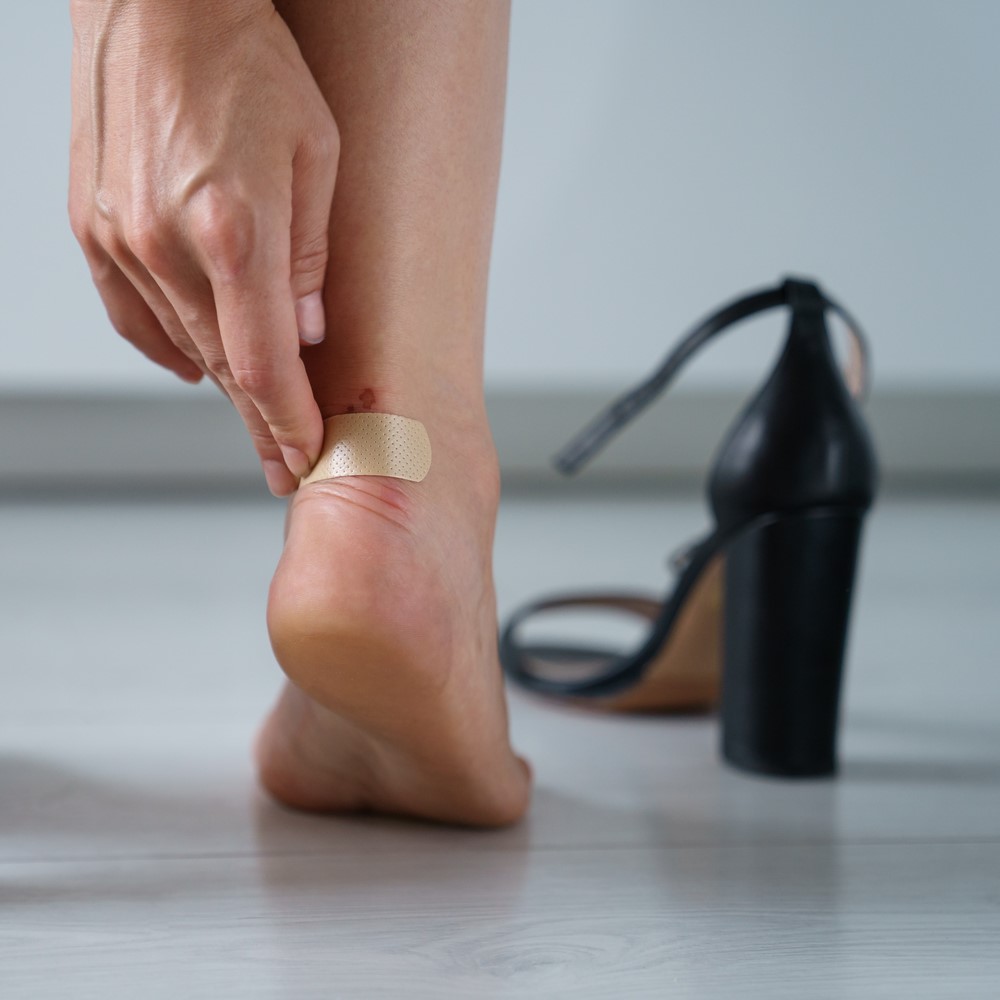
Closeup of band-aid on Foot Blister. Woman having pain after wearing high heeled tight shoes. Female using bactericidal medical adhesive plaster. Foot Blisters, feet blister concept.

Foot Blisters Prevention 101

Are you tired of hobbling around in agony every time you go for a hike or a long run? Do you dread the thought of breaking into a new pair of shoes because you know it means dealing with painful blisters? Well, fear not my friend, because in this post we’re going to reveal some methods for preventing and treating foot blisters. So, lace up your shoes, grab some band-aids, and let’s get started! What Are Foot Blisters? Blisters are fluid-filled sacs that form on the skin when it rubs against another surface. They are most common on the feet, but can also occur on other parts of the body, such as the hands, arms, and legs. Blisters can be painful and can make it difficult to walk or do other activities. 4 Ways to Prevent Foot Blisters Blisters are a common problem that can ruin a hike, a day at the beach, or even a long walk around the block. But there are a few simple things you can do to prevent them, for example, Wear shoes that fit properly. Shoes that are too tight or too loose can cause friction, which can lead to blisters. Explore how to choose the right shoe. Wear socks that wick away moisture. Cotton socks absorb sweat, which can make your feet wet and more likely to develop blisters. Apply a lubricant to your feet before you start walking or exercising. Petroleum jelly or a lubricant designed for runners can help reduce friction. Take breaks often when you are walking or exercising. This will give your feet a chance to rest and prevent blisters from forming. How to Care for a Blister If you do get a blister, there are a few things you can do to treat it: Use soap and water to clean the blister. Do not pop the blister. This can increase the risk of infection. Cover the blister with a bandage. This will help protect it from further rubbing. Keep the blister clean and dry. After washing or bathing, dry your feet Use an antiperspirant on your feet to help reduce sweating. File down any calluses on your feet. Calluses can increase friction and make it more likely to develop blisters. Wear loose-fitting clothing that does not rub against your skin. Most blisters cure on their own after a few days. However, if the blister is large or painful, you may want to see a podiatrist.

Foot Blisters Prevention 101 قراءة المزيد »

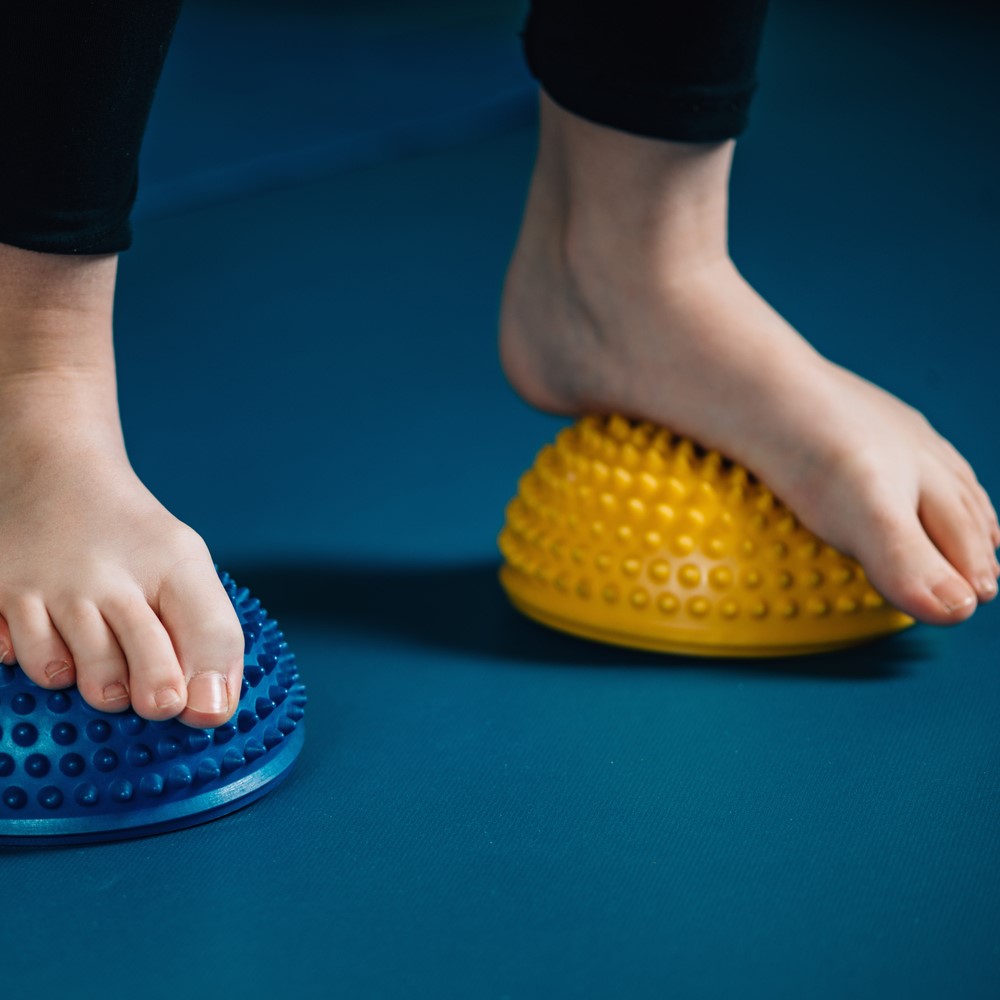
physical therapy tools for flat feet- balance pod. Flat feet exercises

Flat feet exercises must know

Do you suffer from flat feet and stand on your feet for long periods? Flat feet often won’t cause serious problems. But you’ll need to give them more care and attention, especially if you do sports or stand on your feet a lot. In this post, we will discuss flat feet exercises that will help you strengthen your feet and keep you active. But first, before knowing the exercises, we will dig into this condition… Should you do flat feet exercises? Yes, exercises are good for flat feet. As long as you are not in pain and are doing various exercises and activities in moderation, there is no reason to stop exercising. Do you imagine exercise is the best thing you can do for flat feet? Exercises provide plenty of muscular support and compensate for structural instability. Because the bones and ligaments in this case do not provide the structural support you need. Remember that if you are constantly using support devices, your muscles will be unable to operate properly and hence will be weak, exacerbating your instability! Discover 9 facts about flat feet. 4 ideas for flat feet exercises There are many strengthening exercises for flat feet, though it’s important to consult a podiatrist before starting to find out about your condition and determine the best exercises to start with. For example, should you start with exercises that don’t involve weights, or can you add weight to your exercises? Here are some exercises that people with flat feet should perform. 1.     Arch lift These include keeping your feet flat on the floor, raising the arch of your foot as high as you can, and shifting the weight of your foot outward while keeping your heel and toes on the floor. You can perform the exercise while standing or sitting. 2.     Pick up small balls This exercise helps strengthen the core muscles in your feet. Place 10 to 20 small balls on the ground next to a bowl. Then, while sitting, use your toes to pick up the balls and place them in the bowl. You can replace the balls with a towel. 3.     Raise the heels Keep your feet flat on the floor, then lift your heels and shift the weight onto the balls of your feet. Pause for a few seconds in this position. 4.     Walking on heel and toe walking Walking around the room on your heels and toes in the air can strengthen the muscles in your ankles and feet. You can also repeat the exercise on your toes with your heels in the air. Are there exercises I should avoid with flat feet? As is the case with consulting a doctor to find out the appropriate exercises for your condition and where to start, you should ask him about the exercises that you should avoid, depending on the condition and strength of it. It’s often best to be careful with exercises that can add more stress to your feet. You have to be careful and give your body time to adapt to certain sports like playing basketball or running long distances. Any increase in activity significantly more than usual will put you at risk for injury or excessive pain. Although flat feet are not a serious condition, staying active is essential for being healthy and in excellent health.

Flat feet exercises must know قراءة المزيد »

Health and style medical centre logo (HSMC)

About us

The Abu Dhabi Podiatry heel pain Clinic  at Health and style Medical Center renders services to frequent patients per year. In Abu Dhabi Podiatry Clinic Diabetic foot care and general preventative care services are emphasized in the clinic while special procedures including nail and skin reconstruction are also available.

Contact info

Clinic Timing: