Alaa Hamdy

اسم الكاتب: Alaa Hamdy

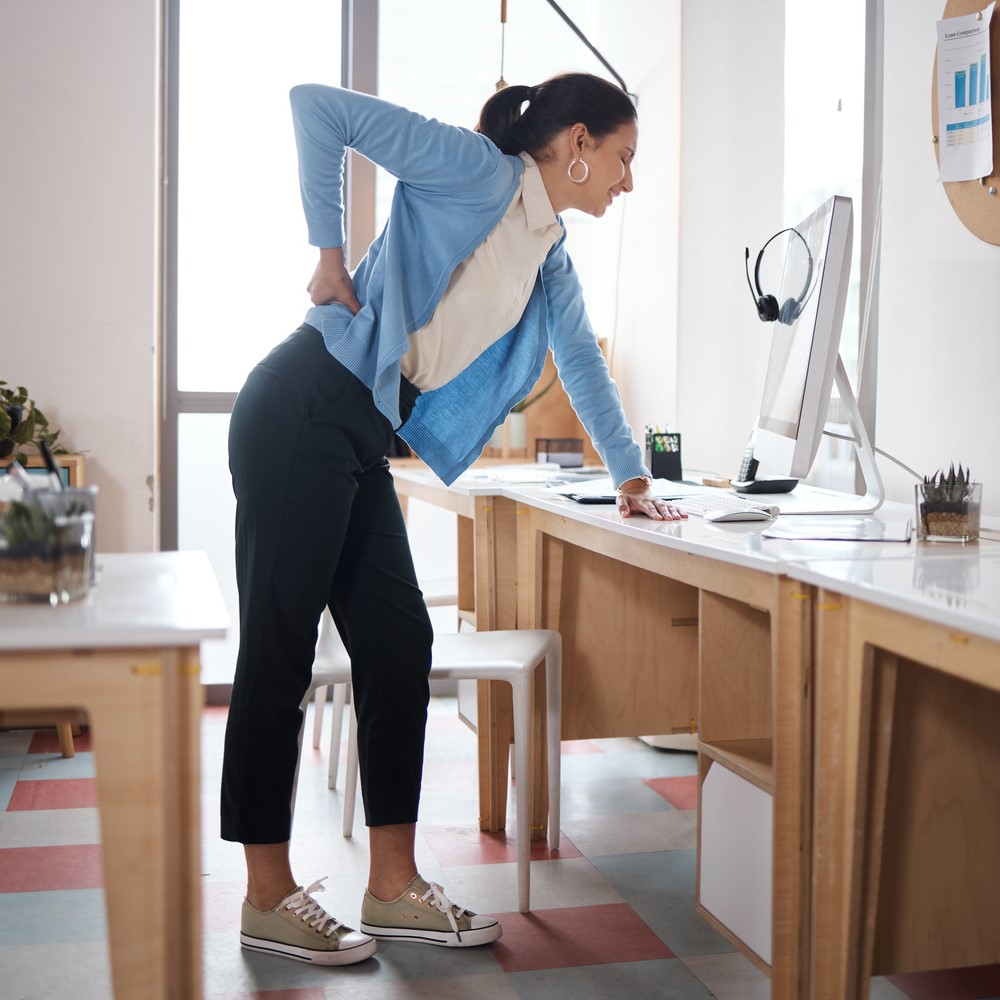
Shot of a young businesswoman experiencing back pain while working at her desk in a modern office. Podiatrist can help with back pain concept.

How a Podiatrist Can Help with Back Pain

Do you ever feel like your back is trying to tell you something? Like, “Hey, I’m not feeling so good. Maybe you should stop sitting all day and go for a walk.” Or, “I’m not sure if you’ve noticed, but I’m really starting to hurt. Maybe you should see a doctor.” If you’re nodding your head, you’re not alone. Back pain is a common problem that affects people of all ages. But what if I told you that a podiatrist can help with back pain?! In fact, we are going to tell you how he can do so. What Is Back Pain? Back pain is a common problem that can affect people of all ages. It can be caused by a variety of factors, including injury, poor posture, and underlying medical conditions. In some cases, back pain can be caused by problems with the feet. How a Podiatrist Can Help with Back Pain? A podiatrist is a doctor who specializes in the feet and ankles. They are experts in the biomechanics of the lower extremity, which means they understand how the feet and ankles work together to support the body. Podiatrists can also diagnose and treat a variety of foot problems, including plantar fasciitis, flat feet, and bunions. In some cases, foot problems can contribute to back pain. For example, if you have flat feet, your arches may not provide enough support for your body weight. This can put extra stress on your back, leading to pain. Discover the relationship between lower back pain and feet! A podiatrist can help you to assess whether your foot problems are contributing to your back pain. If they are, they can recommend treatment options that can help to relieve your pain and improve your overall health. So, yes, a podiatrist can help you with back pain. Case Study: How a Podiatrist Helped with Back Pain Saleh is a 45-year-old man who presented to the podiatrist with chronic back pain. The pain had been getting worse over the past few months, and it was starting to interfere with his work and his regular activities. Mr. Saleh had a history of flat feet and plantar fasciitis. He also worked as a software engineer, and he spent a lot of time sitting at a desk. The podiatrist examined Mr. Saleh’s feet and lower legs. He found that Mr. Saleh had flat feet and that his plantar fascia was inflamed. The podiatrist also found that Mr. Saleh had a tight calf muscle. The podiatrist diagnosed Mr. Saleh with chronic back pain due to flat feet and plantar fasciitis. He prescribed Mr. Saleh custom orthotics to help support his arches and relieve the stress on his plantar fascia. The podiatrist also recommended that Mr. Saleh stretch his calf muscles and do exercises to strengthen his core. Mr. Saleh wore the orthotics for 6 weeks, and he stretched and did exercises regularly. The pain in his back gradually improved, and he was able to return to his normal activities. The Point Is… This case study illustrates how a podiatrist can help with back pain. In Mr. Saleh’s case, the pain was caused by flat feet and plantar fasciitis. The orthotics helped to support his arches and relieve the stress on his plantar fascia. The stretching and exercises helped to strengthen his core and improve his posture. As a result, Mr. Saleh’s back pain gradually improved. If you are experiencing back pain, it is a good idea to see a podiatrist to see if your feet are contributing to the problem. A podiatrist can help you to assess your foot problems and recommend treatment options that can help to relieve your pain and improve your overall health. Tips for People Who Are Experiencing Back Pain Lose weight if you are overweight or obese. Get regular exercise. Improve your posture. Stretch regularly. Use good quality shoes. Find out the checklist when purchasing a new shoe. See a podiatrist if you have foot problems. You already have the proof that a podiatrist can help with back pain! If you are experiencing back pain, it is important to see a doctor to rule out any serious underlying conditions. However, if your back pain is not caused by a serious condition, a podiatrist can often help you to find relief.

How a Podiatrist Can Help with Back Pain قراءة المزيد »

Feet of person with bunion, medical condition of deformation of the bones.

What You Need to Know About Bunions and Hammertoes

Ouch! The Ugly Truth About Bunions and Hammertoes Have you ever looked down at your feet and spotted an unsightly lump on your big toe joint or a crooked, bent toe? If so, you may have a bunion or hammertoe – two common foot deformities that can cause pain, discomfort, and embarrassment. Both conditions are caused by an abnormal alignment of the bones in the foot, and they can be made worse by wearing shoes that are too tight or narrow. Bunions Vs. Hammertoes Bunions form when the joint at the base of your big toe starts sticking out, pushing the big toe toward the others at an abnormal angle. Hammertoes are when one or more of your toes become permanently bent, usually at the middle joint, causing them to resemble a hammer or claw. But how do these misshaped toes actually happen? Bunions typically develop from years of wearing narrow, ill-fitting shoes that squash the toes. The main cause of hammertoes is when the tendons and ligaments become tight. Conditions like arthritis can also contribute over time. Treatment for Bunions and Hammertoes The good news is there are options for relieving the pain and improving the appearance of bunions and hammertoes. Treatment options include: Non-surgical treatments Non-surgical treatments for bunions and hammertoes include: Wearing shoes that are wide and roomy in the toe box. Using orthotics or inserts to support the foot and align the toes. Taking over-the-counter pain medication. Applying ice or heat to the affected area. Getting physical therapy to stretch and strengthen the muscles in the foot. Surgical treatments Surgical treatment for bunions and hammertoes is usually only recommended for severe cases. It can vary depending on the specific condition and the severity of the deformity. Visit your podiatrist to decide the best treatment for you will depend on the severity of your condition. Prevention of Bunions and Hammertoes The best way to prevent bunions and hammertoes is to wear shoes that are wide and roomy in the toe box. You should also avoid wearing shoes that are high heels or that have pointed toes. If you have a family history of bunions or hammertoes, you may be at increased risk for developing these conditions. In this case, it is important to be extra careful about the type of shoes you wear. Takeaway message So, if you spot an unsightly lump on your big toe or a crooked hammertoe, don’t panic – there may be simple changes you can make or treatments you can try before resorting to surgery. With the right care and comfortable footwear, your toes don’t have to resemble twisted roots for the rest of your days. With a bit of TLC, they may just be dancing in your sandals this summer!

What You Need to Know About Bunions and Hammertoes قراءة المزيد »

What’s the link between feet and lower back pain?

Do you suffer from lower back pain? You’re not alone. Millions of people around the world experience lower back pain at some point in their lives. Did you know that your feet may be a contributing factor? That’s right, the way your feet function can have a big impact on the health of your spine. In this blog post, we’ll discuss the link between feet and lower back pain. We’ll also provide some tips on how to improve your foot health and reduce your risk of pain. Facts about lower back pain It is one of the most common medical complaints in the world. It affects people of all ages, but it is most common in people between the ages of 30 and 50. The exact cause is often unknown, but it can be caused by a variety of factors, including injury, overuse, and poor posture. It can be acute, meaning it lasts for a short period of time, or chronic, meaning it lasts for more than 12 weeks. Acute lower back pain usually goes away on its own within a few weeks. However, chronic lower back pain can be more difficult to treat and may require ongoing medical care. What’s the relationship between feet and lower back pain? Here’s how it works, when you walk or stand, your feet absorb the shock of your body weight and help to distribute it evenly throughout your body. If your feet are not properly aligned or if they have any problems, such as flat feet or plantar fasciitis, this can put extra stress on your lower back. In addition, your feet are connected to your spine by a series of muscles and tendons. If these muscles and tendons are weak or tight, it can also lead to lower back pain. Tips to improve your feet health There are a number of things you can do to help prevent lower back pain, including: Maintaining a healthy weight Maintaining good posture. Using proper lifting techniques Wear supportive shoes. Choose shoes that provide good arch support and cushioning. Tips to choose the right shoes. Exercise regularly. Exercise helps to strengthen your muscles and improve your flexibility, which can help to reduce the stress on your lower back. Stretch your feet and calves. Stretching these muscles can help to improve their flexibility and reduce pain. Stretches to boost your feet flexibility. If you have any foot problems, such as flat feet or plantar fasciitis, see a podiatrist for treatment.

What’s the link between feet and lower back pain? قراءة المزيد »

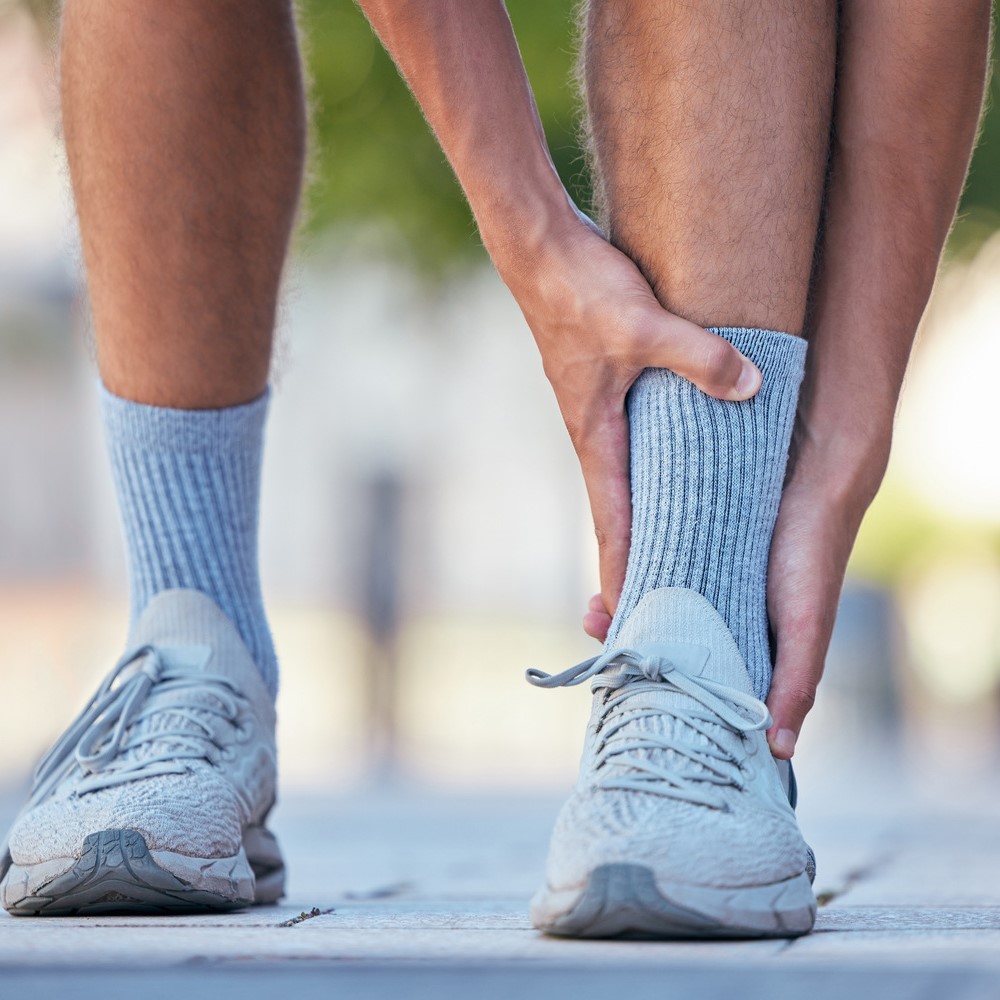
Young man has an ankle injury during walking in the city. Ankle pain.

How to deal with ankle pain?

Do you ever feel like you can’t walk without pain? Do you know that it could be ankle pain? Millions of people suffer from ankle pain, and it can be a real pain in the… well, ankle. But don’t despair! There are a number of things you can do to deal with ankle pain. In this blog post, we’ll discuss some of the most effective treatments, as well as some tips on how to prevent ankle pain in the first place. So, whether you’re a weekend warrior or a seasoned athlete, read on for everything you need to know about ankle pain. What are the causes of ankle pain? Ankle pain is a common problem that can affect people of all ages. It can be caused by a variety of factors, including injury, overuse, and arthritis. Ankle pain can range from mild to severe, and it can make it difficult to walk, run, or participate in other activities. Tips to deal with ankle pain There are a number of things you can do to deal with ankle pain. Here are a few tips: Rest. The first step in treating ankle pain is to rest the ankle. This means avoiding activities that put stress on the ankle, such as walking, running, and jumping. Ice. Applying ice to the ankle can help to reduce pain and swelling. Apply ice for 20 minutes at a time, several times a day. Compression. Compressing the ankle can also help to reduce swelling. Wrap the ankle with an elastic bandage or compression sleeve. Elevation. Elevating the ankle can help to reduce swelling and pain. Prop the ankle up on a pillow or other object when you are sitting or lying down. Over-the-counter pain medication, such as ibuprofen or acetaminophen, can help to relieve pain and inflammation. Stretching. Once the pain and swelling have subsided, you can start stretching the ankle. Stretching can help to the improve range of motion and prevent further injury. Physical therapy. In some cases, physical therapy may be helpful for treating ankle pain. A physical therapist can teach you exercises to strengthen the muscles around the ankle and improve your range of motion. If you have severe ankle pain or if the pain does not improve with home treatment, see a doctor. The podiatrist may recommend other treatments according to the severity. How to prevent it? Here are some additional tips to help you prevent ankle pain: Wear supportive shoes. Shoes with good arch support can help to reduce stress on the ankle. Avoid high heels. High heels can put stress on the ankle and increase your risk of injury. Warm up before exercising. Warming up helps to prepare the muscles and ligaments for activity and can help to prevent injury. Cool down after exercising. Cooling down helps to reduce inflammation and pain. Stretch regularly. Stretching can help to improve flexibility and range of motion and can help to prevent injury.

How to deal with ankle pain? قراءة المزيد »

Enjoying Free Time. Smiling Arab man relaxing at home office resting feet on table using mobile phone, holding hand behind head leaning back on chair, looking at gadget screen taking break from work. Maintain Healthy Feet in the Workplace

How to Maintain Healthy Feet in the Workplace?

After a long day at work, do your feet hurt? Are they swollen, red, or even cracked? If so, you’re not alone. Millions of people suffer from foot pain at work. But this does not have to be the case. With a few simple tips, you can keep your feet healthy and pain-free, even if you spend a lot of time on them at work. In this blog post, we’ll share some of the best tips to maintain healthy feet in the workplace. So, whether you’re a cashier, a nurse, or a construction worker, read on for some helpful advice. Top tips to maintain healthy feet in the workplace Your feet are one of the hardest-working parts of your body, and they deserve some TLC, especially if you spend a lot of time on them at work. Here are some tips on how to maintain healthy feet in the workplace: Change your socks often. If your feet sweat a lot, change your socks at least once a day. This will keep your feet dry and prevent bacteria from growing. Wash your feet daily. Wash your feet with soap and water and carefully dry them, taking particular care to the spaces between your toes. This will aid in the prevention of infection spread. Moisturize your feet. A good moisturizer will help to keep your feet soft and prevent them from drying out. Take breaks. If you stand for long periods, take a few minutes every hour to rest your feet. You can do this by sitting down, walking around, or stretching your feet. See a podiatrist if you have any problems. If you have any pain, swelling, or other problems with your feet, see a doctor. They can help you diagnose the problem and recommend treatment. What’s the most important thing you can do to prevent foot pain at work? It is to wear supportive shoes. Shoes that fit well and provide good arch support will help to prevent pain, fatigue, and injuries. The following are some of the advantages of wearing supportive shoes: Reduce the amount of stress on your feet and ankles. Help to improve your balance and stability. Can prevent injuries, such as plantar fasciitis and heel pain. Can make your feet feel more comfortable, even if you’re on them for long periods. Find out how to choose the right shoe! However, if you’re not sure what kind of shoes to get, talk to a podiatrist. They can help you choose the right shoes for your feet and your needs and may recommend customized orthotics. Any other tips? Here are some additional tips that may help you maintain healthy feet in the workplace: Avoid wearing high heels. High heels can put a lot of stress on your feet and ankles, so it’s best to avoid them if possible. Use a footrest. If you have to sit for long periods, use a footrest to keep your feet elevated. This will help to improve circulation and reduce fatigue. Stretch your feet. There are a number of simple exercises you can do to stretch your feet. These exercises can help to improve flexibility and prevent pain. Massage your feet. A foot massage can help to relax your feet and improve circulation. By following these tips, you can help to maintain healthy feet in the workplace, even if you spend a lot of time on them at work. Discover more tips for healthy feet!

How to Maintain Healthy Feet in the Workplace? قراءة المزيد »

How to Prevent Varicose Veins?

Varicose veins may not be the most glamorous topic, but taking care of your veins is an important aspect of maintaining overall health. Whether you’re looking to prevent varicose veins from developing or trying to alleviate the discomfort they can cause, there are a variety of strategies you can employ. From lifestyle changes to medical interventions, there’s no shortage of ways to keep your veins healthy and strong. So, let’s dive into some practical tips on how to prevent varicose veins and keep your legs looking and feeling their best! What Are Varicose Veins? Varicose veins are twisted, enlarged veins that commonly develop on the legs. They can be caused by a number of factors, including genetics, pregnancy, obesity, and standing or sitting for long periods of time. Tips to Prevent Varicose Veins While varicose veins cannot be cured, there are a number of things you can do to prevent them from developing or getting worse. Here are some tips: Exercise regularly. Exercise helps to improve circulation and keep your veins healthy. Keep a healthy weight. Excess weight puts additional strain on your veins, so maintaining a healthy weight is critical. Avoid prolonged sitting or standing. If you have to sit or stand for long periods of time, get up and move around every 30 minutes or so. This will help to keep your blood flowing and prevent your veins from becoming too congested. Elevate your legs when you can. Elevating your legs helps to improve circulation and reduce the pressure on your veins. If you have varicose veins, try to elevate your legs for 30 minutes or more at a time, several times a day. Wear compression stockings. Compression stockings help to support your veins and improve circulation. They can be especially helpful if you have varicose veins or if you have to stand or sit for long periods of time. Avoid high heels. High heels can put extra strain on your veins, so it’s best to avoid them if you have varicose veins. Eat a healthy diet. A healthy diet can help to keep your veins healthy. It’s also important to limit your intake of salt, which can contribute to water retention and make varicose veins worse. If you follow these tips, you can help to prevent varicose veins or keep them from getting worse. If you already have varicose veins, book an appointment now to talk to your doctor about treatment options. Bonus tips Here are some additional tips to help prevent varicose veins: Drink plenty of water. Staying hydrated helps to keep your blood flowing freely. Get enough sleep. When you’re well-rested, your body is better able to repair itself. Manage stress. Stress can contribute to varicose veins, so it’s important to find healthy ways to manage stress. Quit smoking. Smoking can damage your veins and make varicose veins more likely. Get free medical help to quit smoking. By following these tips, you can help to keep your veins healthy and prevent varicose veins from developing.

How to Prevent Varicose Veins? قراءة المزيد »

Close up of physiotherapist in sterile gloves using pain relief device while performing physiotherapy procedure on woman foot. Is shockwave therapy effective concept

Is shockwave therapy effective?

Is shockwave therapy effective? Is it a treatment that could provide long-lasting relief from plantar fasciitis? In the blog post, we would go on to discuss the case study in more detail, as well as the other benefits of shockwave therapy in treating plantar fasciitis. I would also address any potential risks or side effects. Is Shockwave Therapy Effective? Well, there is a growing body of evidence to support the effectiveness of shockwave therapy. A 2017 review of 14 studies found that shockwave therapy was more effective in reducing pain and improving function in patients with plantar fasciitis. Learn more about plantar fasciitis. Shockwave therapy is generally well-tolerated, with few side effects. Some patients may experience bruising or soreness at the treatment site, but these side effects are usually mild and go away on their own. A proof A 45-year-old woman presented to Health and Style Medical Center with a 6-month history of plantar fasciitis. She had tried conservative treatments, such as rest, ice, and stretching, but her pain had not improved. The patient received four sessions of shockwave therapy over the course of two weeks. After the first session, she reported a significant reduction in her pain. After the fourth session, her pain was completely gone. She was able to return to her normal activities without any pain. This case study demonstrates the effectiveness of shockwave therapy in treating plantar fasciitis. Shockwave therapy is a safe and effective treatment that can provide long-lasting relief from pain. Now you have the answer to this question “Is shockwave therapy effective?”. What Is Shockwave Therapy? Shockwave therapy works by delivering high-energy sound waves to the affected area. These sound waves cause micro-trauma to the tissue, which stimulates the body’s natural healing response. Shockwave therapy can also help to break up scar tissue and calcification, which can contribute to plantar fasciitis. If you are considering shockwave therapy for plantar fasciitis, book your appointment now! We can help you determine if shockwave therapy is right for you and discuss the risks and benefits of the treatment.

Is shockwave therapy effective? قراءة المزيد »

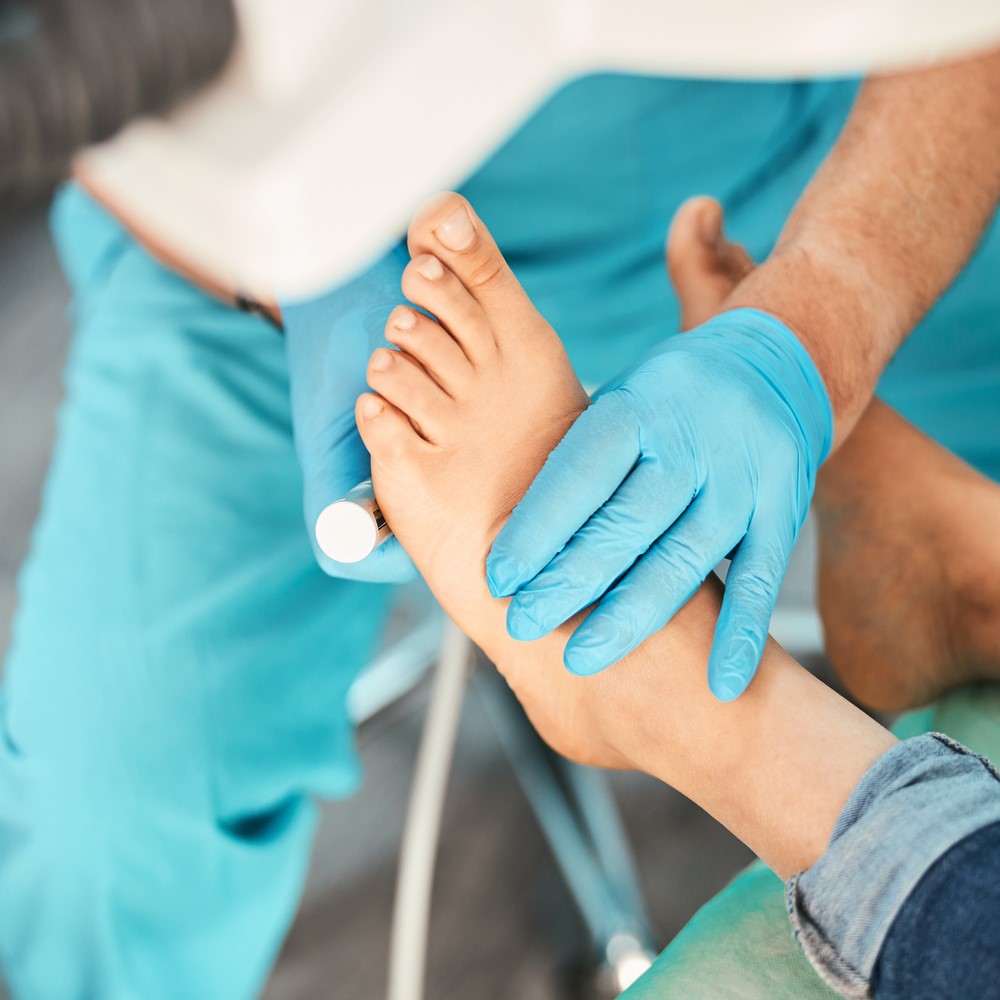
Top view portrait of female foot in doctor hand after procedure polish for feet pedicure in beauty center. Medical pedicure concept. Regular foot exams concept.

Discover Why Regular Foot Exams are a Must!

Your feet are essential for your mobility and overall health. They carry you around all day long, and they’re also susceptible to a variety of problems, especially if you have diabetes. That’s why regular foot exams are so important. A foot exam can help detect potential problems early on when they’re easier to treat. It can also help prevent more serious complications, such as amputation. What to expect during a foot exam A foot exam typically includes the following: Visual inspection of your feet, including the skin, nails, and soles. Check your foot pulses to assess blood flow. Test your sensation to see how well you can feel things in your feet. Check for calluses, corns, and other skin problems. Check for ulcers or other wounds. Who should get regular foot exams? Everyone should get regular foot exams, but they’re especially important for people with diabetes. Diabetes can damage the nerves and blood vessels in your feet, which can lead to problems such as: Numbness or tingling in the feet Poor blood flow Ulcers or wounds that don’t heal Infection Gangrene If you have diabetes, you should get a foot exam at least once a year. You may need more frequent exams if you have a history of foot problems or if you have other risk factors for foot complications. Find out how diabetes affects your feet! How to take care of your feet at home In addition to getting regular foot exams, there are things you can do at home to help keep your feet healthy: Wash your feet daily with mild soap and water. Dry your feet thoroughly, especially between the toes. Apply a moisturizer to your feet, especially if they’re dry or cracked. Wear shoes and socks that fit well and provide good support. Cut your toenails straight across and file them smoothly. See a podiatrist right away if you have any concerns about your feet. Regular foot exams are an important part of preventive foot care. By getting regular exams and taking care of your feet at home, you can help keep your feet healthy and prevent serious complications. More tips about foot care. Tips for diabetics Here are some additional tips for people with diabetes who are at risk for foot problems: Check your feet daily for any changes, such as redness, swelling, cuts, or sores. Don’t walk barefoot. Wear shoes that fit well and provide good arch support. Avoid tight-fitting clothing or jewelry around your feet. Don’t smoke. Control your blood sugar levels. By following these tips, you can help keep your feet healthy and reduce your risk of foot problems.

Discover Why Regular Foot Exams are a Must! قراءة المزيد »

Little boy trying on shoes in kids store, side view. Son choosing sneakers in supermarket. Choosing the right shoe for your kid concept

How can you choose the right shoe for your kid?

Kids’ feet are prone to deformity when wearing improper shoes, and this risk remains until the bones are fully formed. Therefore, it becomes necessary to know how to choose the right shoe for your kid. We all know that kids are eager to go shopping for new fashionable shoes, but here is our rule to help them choose a shoe that fits its function and promotes healthy foot development. Why should I choose suitable shoes for my kid? Because kids’ feet keep growing until the age of 18, wearing ill-fitting shoes can affect their development such as Short-term effect: Cause pain in your little kid’s feet, along with calluses, ingrown toenails, or blisters. Long-term effect: more serious problems may occur such as foot deformities which can affect walking or cause back pain! When do I start choosing shoes for my kid? Kids do not have to wear shoes at all to be able to walk. Also, avoid using tightly coiled blankets that prevent kicking and leg movement. Choose socks made of natural materials and try to avoid rubber socks. Finally, let your kid walk barefoot at home. Tips for choosing the right shoe It’s time to learn how to choose the right shoe for your kid Measure your child’s feet. Ask them at the shoe store if they have equipment used to measure the proper length and width of your kid’s feet. It would be better than trying to do it yourself at home. Don’t buy too big. It is true that kids’ feet are constantly growing up to 18 years old, but shoes that are too large make your kid vulnerable to falls that may cause injury. Make sure there is enough room in the shoe. There should be enough space in the front of the shoe to help prevent increased pressure on the toes. Make sure your kid can easily move the forefoot in the shoes. Leave 1 to 2 cm between the longest toe and the front of the shoe. Choose closed-toed shoes with arch supports made of breathable materials such as leather or fabric. Replace shoes every three or four months if your kid is in his growing years. Finally, the podiatrists at Health and Style Medical Center can help you find out if the shoes are suitable for your kid or not, and always remember that the right shoe is an investment for your kid that will reflect in the short and long term.

How can you choose the right shoe for your kid? قراءة المزيد »

Man hands giving foot massage to yourself after a long walk, suffering from pain in heel spur and plantar fasciitis

Plantar Fasciitis Strapping: A Simple Way to Relieve Pain

Are you tired of foot pain ruining your morning routine? Need a little extra support for your plantar fascia? We’ve found strapping to be a simple yet highly effective solution for managing this common foot issue. Whether you’re dealing with a years-long chronic case or a recent onset of heel pain, many of our patients have gotten relief from night splints and daytime foot straps. In this blog, we will dive into plantar fasciitis strapping. What’s Plantar Fasciitis? It is a frequent ailment that creates discomfort in the foot’s heel and arch. It is caused by inflammation of the plantar fascia, a thick band of tissue that extends from the heel to the toes on the sole of the foot. Overuse, poor arch support, flat feet, or obesity can cause plantar fasciitis. There are a number of treatments for plantar fasciitis, including rest, ice, compression, and elevation (RICE). In some cases, surgery may be necessary. However, for many people, strapping can provide relief from pain and help to speed up the healing process. More about plantar fasciitis. Plantar fasciitis strapping in further detail Plantar fasciitis strapping is a simple and effective way to support the arch of the foot and reduce stress on the plantar fascia. A qualified healthcare professional usually performs it. To apply plantar fasciitis strapping, the podiatrist will need the following materials: Rigid athletic tape Scissors Measuring tape Strapping can be an effective way to relieve pain and improve function in people with plantar fasciitis. If you are experiencing pain in your heel or arch, talk to your doctor or a qualified healthcare professional about strapping. Tips for managing plantar fasciitis Wear shoes with good arch support. Avoid activities that put stress on your feet, such as running and jumping. Stretch your calves and feet regularly. Lose weight if you are overweight or obese. Get enough rest. With proper care, most people with plantar fasciitis can make a full recovery. Our therapists have perfected the art of applying these straps to provide targeted compression and support of the inflamed plantar fascia. Book an appointment now!

Plantar Fasciitis Strapping: A Simple Way to Relieve Pain قراءة المزيد »

Health and style medical centre logo (HSMC)

About us

The Abu Dhabi Podiatry heel pain Clinic  at Health and style Medical Center renders services to frequent patients per year. In Abu Dhabi Podiatry Clinic Diabetic foot care and general preventative care services are emphasized in the clinic while special procedures including nail and skin reconstruction are also available.

Contact info

Clinic Timing: